Spain recorded 240 road deaths this summer, up from last year. Most fatalities occurred on single-lane roads. The government now seeks to lower legal alcohol limits for drivers after a series of deadly crashes and policy setbacks.
Road deaths in Spain climbed this summer, with 240 people killed between July and August—10 more than last year. Most of these fatalities happened on single-lane roads, where 175 people died, making up nearly three-quarters of the total. In response, Interior Minister Fernando Grande-Marlaska has renewed efforts to lower the legal blood alcohol limit for drivers, hoping to reduce preventable deaths.
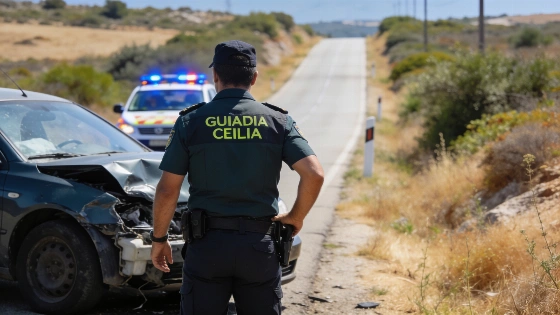
This push comes after several serious crashes. The worst was on July 5, when a family of five crashed on the A-67 near Palencia. Only the youngest daughter survived; she was airlifted to hospital. Authorities believe the driver may have fallen asleep at the wheel. Another major accident happened on August 17, when four young adults died and one was critically injured in a collision involving two cars and a truck on the N-122 in Zaragoza province. These incidents show the ongoing risks on Spain’s roads, especially during busy travel periods.
— European Transport Safety Council
There was one positive change: motorcyclist deaths dropped for the first time in years, with 54 killed—18 fewer than last summer. This was most noticeable in Galicia, Andalusia, Madrid, and Catalonia. However, pedestrian and cyclist deaths rose slightly, with 26 pedestrians and 12 cyclists killed. Vulnerable road users overall saw a small decrease, but the risks remain high, especially at night. Of the 26 pedestrians killed, 17 died in low-light conditions, and 13 were not wearing reflective clothing.
Minister Grande-Marlaska called it “a bad summer” for road safety. There were 218 fatal accidents and 926 people hospitalized, with an average of four deaths per day on Spanish roads during the summer. Travel increased by 1.5% compared to last year, reaching 102 million journeys. The deadliest day was August 13, when 10 people died as the Virgen de Agosto festivities began. In contrast, July had two days without any fatalities—a rare break in an otherwise difficult season.
Other factors made road safety harder to manage. Wildfires forced the closure of 2,640 kilometers of roads, affecting 227 routes and requiring 1,600 officers. The August 12 eclipse led to more than 2.3 million extra journeys, with traffic peaking by 25.7% after dark as people returned from viewing sites. These events added to the strain on already busy roads.
— Dirección General de Tráfico (DGT)
The government is again proposing to lower the legal blood alcohol limit for drivers. A previous attempt was blocked in parliament, but Grande-Marlaska says the evidence is clear: consuming 0.5 grams of alcohol per liter of blood triples the risk of a crash, according to a University of Valencia study. The DGT found that 5.2% of drivers had consumed alcohol. The minister is urging lawmakers to act quickly, saying the goal is to save lives, not win political arguments.
Basic safety measures are still often ignored. Twenty-five people who died this summer were not wearing seat belts. Most pedestrians killed at night were not wearing reflective gear. These preventable mistakes continue to cost lives, even as authorities expand support for victims and families through the DGT’s multilingual helpline and digital services.
Spain’s road safety problems are not unique. Similar issues have appeared in other areas, such as rural fire prevention in Andalusia, where delays and legal gaps have left communities at risk. The pattern is familiar: slow policy changes, uneven enforcement, and reluctance to adopt proven safety measures until after a tragedy.
Since January, 777 people have died on Spanish roads. The government’s renewed push to tighten alcohol limits and enforce basic safety rules is overdue, but its success will depend on political will and public cooperation. Without decisive action, preventable deaths on Spain’s roads will continue—and the cost will be measured in lives lost.