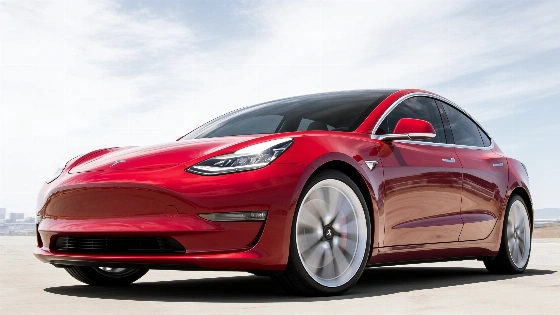
Tesla is repurchasing 15 Model 3 and Model Y vehicles in the US after discovering they do not meet key federal safety requirements. The affected cars, originally built for Canada, lack critical features demanded by American law.
Tesla has been compelled to remove several Model 3 and Model Y vehicles from US roads after federal regulators found they failed to meet essential safety standards. The issue centers on 15 cars produced at Tesla's Berlin and Shanghai factories, which were initially intended for the Canadian market but ultimately ended up in the United States.
The National Highway Traffic Safety Administration (NHTSA) identified that these vehicles, while compliant with Canadian regulations, do not satisfy specific US requirements. Most notably, the affected cars lack a knee airbag, a feature mandated by American law to protect occupants during a crash when seat belts are not in use. This shortfall means the vehicles "do not meet the requirements of the unbelted occupant test," a critical benchmark for US road safety.
Further investigation revealed additional gaps. The Canadian-spec Tesla Model 3 had not undergone the US bumper impact resistance tests, while the Model Y was missing safety measures required by FMVSS No. 201, which governs occupant protection in the event of a collision. These discrepancies came to light after customers who purchased the vehicles in Canada sought letters of compliance from Tesla to facilitate their import into the US.
In its correspondence, Tesla initially assured buyers that the cars met "all applicable federal motor vehicle safety, bumper, and theft prevention standards, except for certain labeling and daytime running light requirements described in 49 C.F.R. 591.5(g)." However, this assurance proved incomplete. The company launched an internal review after receiving a compliance request through an unusual channel, ultimately confirming that design and equipment differences between factories and markets had led to non-compliance with US safety rules.
As a result, Tesla is now buying back the imported vehicles from US owners. For cars that have not yet crossed the border, Tesla is revoking their certificates of compliance and issuing new documentation clearly stating that the vehicles do not meet certain FMVSS standards. This process is expected to be costly for the company, especially given that the Model 3 and Model Y are among Tesla's best-selling models worldwide.
The NHTSA has specified that the affected vehicles were sold in Canada between December 21, 2023, and February 16, 2026. The regulatory gap highlights the complexities of international automotive compliance, particularly as manufacturers ramp up global production and distribution. Similar challenges have been faced by other automakers adapting to evolving safety and technology standards, as seen when Volvo introduced new certified models to meet European requirements.
For Tesla, the episode underscores the importance of rigorous cross-market checks before vehicles are imported or sold across borders. As electric vehicles become more prevalent and regulations continue to evolve, automakers face increasing pressure to ensure that every car on the road meets the highest safety benchmarks of its destination country.
According to available data, the US maintains some of the strictest vehicle safety standards globally, particularly regarding occupant protection and crashworthiness. The FMVSS (Federal Motor Vehicle Safety Standards) framework is regularly updated to reflect advances in automotive technology and accident research. For consumers, this incident serves as a reminder to verify compliance documentation when importing vehicles, especially those manufactured for foreign markets.