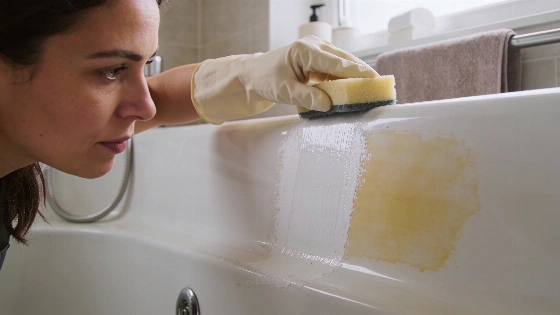
Limescale and mineral stains can quickly build up in Spanish bathrooms, especially in areas with hard water. Citric acid powder, when used correctly, dissolves even the most persistent deposits—without the risks of vinegar or baking soda. Here’s how to use it safely and effectively.
White and yellowish stains on toilets, taps, and shower screens are a familiar sight in homes with hard water. Over time, these mineral deposits harden, making standard cleaning products ineffective. For those looking for a solution beyond vinegar or baking soda, citric acid powder has emerged as a reliable and efficient option.
Citric acid, widely available in cleaning supply stores and some supermarkets, works as a powerful descaler. Its ability to break down limescale makes it especially useful for bathrooms where daily use and water quality accelerate buildup. However, using it requires attention to detail to avoid damaging surfaces.
How to Use Citric Acid in the Toilet
Before applying citric acid, ensure the toilet bowl is free from bleach, chlorine-based cleaners, or disinfectant tablets that could react with acids. Remove any such products to prevent chemical interactions.
To prepare the cleaning solution, dissolve two to three tablespoons of citric acid powder in about one liter of hot (not boiling) water. Pour the mixture slowly along the inner walls of the toilet bowl, focusing on areas with visible stains. For best results, let the solution sit for several hours or overnight. In the morning, scrub with a toilet brush and flush. If any residue remains, repeat the process after thoroughly rinsing the bowl.
It’s important not to pour the citric acid solution into the cistern, as it may corrode metal parts, seals, or sensitive components inside.
Safe Cleaning for Taps and Shower Screens
For taps and shower screens, a more diluted citric acid solution should be applied with a soft cloth or sponge. Allow it to act for five to ten minutes, then rinse thoroughly with water and dry with a clean towel. Commercial descalers containing citric acid often recommend short contact times for chrome, stainless steel, and ceramic surfaces, followed by immediate rinsing and drying to prevent residue.
Avoid using abrasive pads, metal scourers, or harsh powders, as these can scratch finishes and make surfaces more prone to future buildup. On painted, lacquered, or aged finishes, always test the solution on a hidden area first to check for adverse reactions.
Surfaces to Avoid and Preventing Future Buildup
Citric acid is not suitable for marble, limestone, travertine, or other acid-sensitive natural stones. According to the Natural Stone Institute, acidic products—including lemon and vinegar—can dull the shine or leave permanent marks on these materials. For such surfaces, a neutral pH cleaner is recommended.
Always check manufacturer guidelines before using citric acid on aluminum, brass, copper, delicate seals, or specially coated surfaces. Never mix citric acid with bleach or other cleaners, as the combination can release toxic gases that irritate eyes and airways. Cleaning should be done in a well-ventilated area, following the instructions on the product label.
To minimize future limescale, dry taps after use, use a squeegee on shower screens, and fix any leaks promptly. Regular cleaning prevents mineral deposits from forming thick, stubborn layers that are harder to remove.
Citric acid offers a practical, effective way to tackle tough bathroom stains, provided it’s used with care and attention to surface compatibility. For Spanish households dealing with persistent limescale, it’s a solution worth considering alongside routine maintenance.