Donald Trump claims peace talks with Iran will resume, but Tehran insists it only negotiates with Oman on the Strait of Ormuz. The standoff raises concerns over energy security and regional stability.
Donald Trump has declared that negotiations with Iran will restart this week, aiming for a rapid peace agreement amid rising tensions in the Gulf. However, Iranian officials immediately rejected the claim, stating that no talks with the United States are underway. Instead, Tehran confirmed it is only in discussions with Oman regarding the strategic Strait of Ormuz, a key route for global oil shipments.
The US president, facing mounting pressure from an approaching global energy crisis and challenging midterm elections, accused Iranian leaders of “incredible hypocrisy” on his Truth Social account. Trump insisted that Iran had requested a meeting and that talks were already in progress, asserting that nothing would reach Iran without US approval unless a deal or total surrender was achieved.
Despite repeated assurances from Trump that a breakthrough with Iran is imminent, the situation on the ground remains tense. Iran has demonstrated its ability to escalate the conflict, launching ballistic missiles at US bases in the region and maintaining firm control over the Strait of Ormuz. This control allows Tehran to influence the stalled peace process and keep the world’s energy markets on edge.
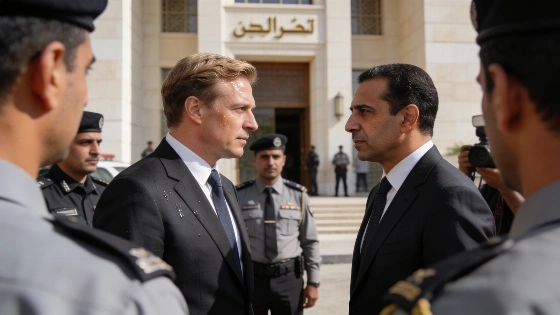
After initially promising a strong response to Iran, Trump shifted his stance over the weekend, announcing that negotiations would continue and that a framework for reopening the strait and denuclearizing Iran had been outlined. Yet, Iranian officials quickly dismissed any suggestion of direct talks with Washington. Esmaeil Baqaei, spokesperson for Iran’s Ministry of Foreign Affairs, clarified that current negotiations are solely with Oman to ensure safe passage through Ormuz, and any agreement would not restore the strait’s pre-war status.
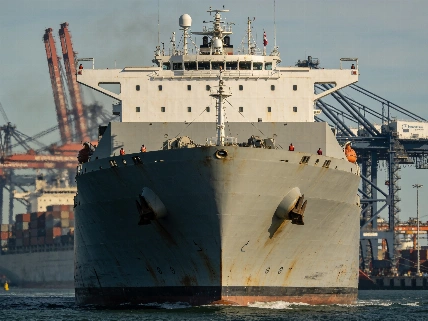
Baqaei emphasized that Iran’s priority is to prevent the strait from being misused by those who have acted aggressively against the country. The deadlock persists, with Iran retaining the capacity to block maritime traffic through Ormuz—including a fifth of the world’s oil supply—while the US maintains the ability to strike Iranian targets, though it reportedly faces shortages of key munitions needed for larger conflicts.
Since April, the Trump administration has sought to end the conflict it initiated, but three ceasefires have collapsed. With less than four months until the US midterms, recent polling shows that support for the war in Iran has dropped below one-third among Americans, and nearly 70% believe Trump has failed to clearly explain the objectives of US military involvement.
For Iran, unpredictability has become a strategic tool, strengthening its negotiating position and enabling it to disrupt oil supplies and target US allies in the Gulf. According to Middle East Institute senior fellow Alex Vatanka, Iran’s leadership now sees little value in endless diplomatic talks and is instead seeking to force a change in US policy by increasing pressure.
As the standoff continues, the broader context of shifting alliances and regional instability remains critical. The situation echoes recent developments in other geopolitical hotspots, where international responses have evolved rapidly. For example, EU ministers recently shifted their stance to fully support Spain after the Ceuta crisis, focusing on new priorities in the region, as detailed in this analysis of changing EU policy after the Ceuta incident.
The ongoing US-Iran impasse over Ormuz highlights the fragility of global energy security and the challenges facing diplomatic efforts in the region. The outcome of these negotiations—or lack thereof—will have significant implications for international markets and political stability in the months ahead.