Donald Trump announced the end of the ceasefire with Iran after new military strikes. The US president dismissed further negotiations, calling Iran's actions unacceptable. Oil prices surged following the renewed conflict.
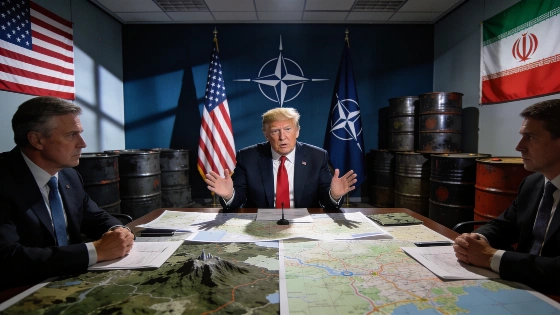
The fragile ceasefire between the United States and Iran has collapsed after President Donald Trump declared the agreement “is over” during the NATO summit in Turkey. His statement followed a rapid escalation of military strikes in the region, with the Islamic Revolutionary Guard Corps targeting US military sites in Bahrain and Kuwait in retaliation for earlier American attacks on Iran. The breakdown of the deal has already triggered a spike in global oil prices, adding to the uncertainty in international markets.
Speaking at the start of the NATO summit, Trump sharply criticized Iran, using harsh language to describe the country’s leadership and accusing them of violating the ceasefire by attacking commercial vessels in the Strait of Hormuz. He indicated that, despite ongoing diplomatic efforts, he saw little value in continuing talks with Tehran. Trump’s remarks made clear that the preliminary Memorandum of Understanding, signed at the Palace of Versailles on June 17, is no longer being honored by the US side.
The US negotiating team, led by Vice President JD Vance, had been working under a 60-day deadline to secure technical concessions from Iran aimed at limiting its nuclear program. However, progress had stalled, with discussions focused mainly on implementing the initial agreement. Mediators from Pakistan and Qatar are now expected to intensify efforts to salvage the deal, but the prospects appear increasingly uncertain after Trump’s public dismissal of further negotiations.
Trump also announced the reversal of a key provision in the agreement that had allowed Iran to sell oil on the global market, further tightening economic pressure on Tehran. His comments have been interpreted as a signal that the US is shifting away from diplomatic engagement and preparing for a more confrontational approach. The president stated that his negotiators could continue discussions if they wished, but he personally viewed the process as futile and emphasized the need to “do our business” rather than pursue further diplomacy.
The collapse of the ceasefire and renewed hostilities have drawn attention from other regional actors. Israel, which has long been skeptical of US diplomatic efforts with Iran, may see Trump’s remarks as an opportunity to intensify its own operations in Lebanon and potentially inside Iran. The situation remains volatile, with the risk of further escalation affecting not only the Middle East but also global energy markets and international security arrangements.
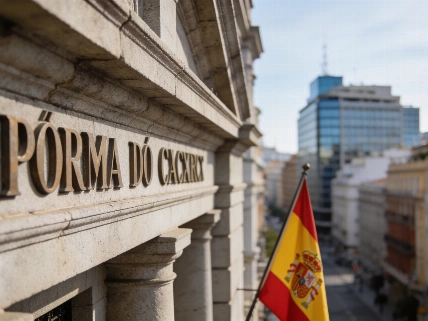
For Spain and other European countries, the renewed conflict between the US and Iran raises concerns about energy security and the stability of international shipping routes. The Strait of Hormuz is a critical passage for global oil supplies, and any disruption can have immediate effects on fuel prices and economic stability across Europe. Spain, as a significant importer of energy resources, is particularly sensitive to fluctuations in oil markets and potential interruptions in supply chains. The developments at the NATO summit highlight the interconnectedness of security, diplomacy, and economic interests for European nations in the face of rising tensions in the Middle East.