CNN MSNOW and Politico returned to the White House after a federal judge intervened. The temporary order protects their access until October 8.
CNN MSNOW and Politico are back at the White House after a federal judge ordered Donald Trump's administration to restore their access. The ban lasted less than a week. It followed several clashes between Trump and journalists. The ruling now puts the fight over presidential control of press access before the courts.
Judge Timothy Kelly of the United States District Court in Washington issued an emergency order in the early hours of Thursday. He found that the journalists had been excluded without adequate due process. He ordered the administration to lift the restriction. The order will remain in force until October 8 unless the court issues another order or the measure expires.
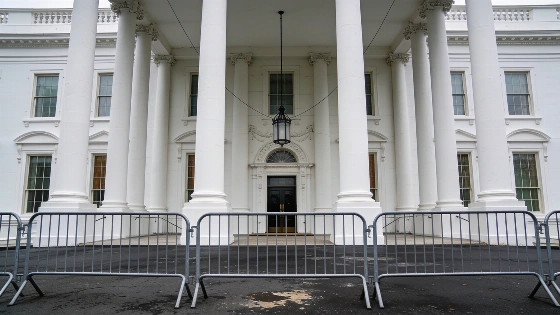
Trump announced the restriction on September 18, and journalists from the affected outlets were denied entry to the White House complex the following day.
The White House did not comply at once. Journalists were denied entry again on Thursday morning, despite the judge's ruling. Lawyers for the three media organisations then asked for an immediate hearing. Kelly ordered the government to explain why it had failed to follow the decision by 12:30 in Washington, or 16:30 in Spain. NPR reported that the administration's initial failure to carry out the order led to the urgent legal response.
The standoff ended when the reporters returned to the building. The White House director of press operations confirmed that access had been restored to all media after receiving the court documents. Two of the previously barred journalists later said they were working normally inside the complex. Reuters also reported that the temporary restriction on the ban would last 14 days while the legal dispute continued.
CNN MSNOW and Politico filed the legal challenge after Trump's administration blocked their access. In a joint statement, the outlets said the government cannot decide what the press may report or publish. Their case relied on the First Amendment. It challenged the president's attempt to decide which media organisations could work from the White House. CNN called the case a broader fight over press freedom and presidential control of media access.
Reuters and The New York Times reported that the case could affect more than the three outlets involved. At issue is whether a White House may selectively restrict access because it dislikes an organisation’s coverage, rather than applying neutral and consistently administered rules.
The exclusion came after several confrontations between Trump and members of the press. Reuters reported that the dispute grew out of clashes over the format and conduct of press events. It also led other major broadcasters to suspend joint audiovisual coverage of the president. Professional organisations described the move as a ban on press freedom.
The court order produced a direct result. Reporters from the three outlets are back at work while the emergency order remains active. Trump's administration can still seek further proceedings. For now, the judiciary has stopped the immediate ban.
The case set a practical limit on a president's power to control access to the White House press operation. The administration imposed the ban after clashes with journalists. A court then blocked it because the proper procedure had not been followed. The return of CNN MSNOW and Politico also shows how access restrictions can disrupt reporters' daily work and prompt resistance from other media organisations. For now, the federal order protects their access, not the administration's original policy. The White House tried to exclude critical outlets, and the court ordered their return.