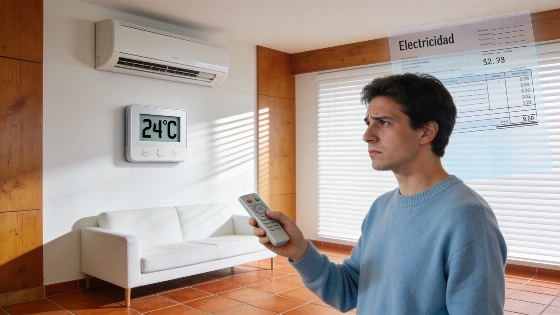
Constantly switching your air conditioner on and off may seem like a way to save money, but experts warn it can actually drive up costs. Understanding how modern systems work is key to balancing comfort and efficiency at home.
Reaching for the remote every time a chill sets in might feel like a smart way to cut electricity use, but specialists in climate control say this habit can backfire—especially with today’s inverter air conditioners. Instead of saving energy, frequent shutdowns force the system to work harder, leading to higher bills and unnecessary wear.
According to JJ Aires Acondicionados, a company specializing in home cooling, the real culprit is the compressor. Each time the unit restarts, it draws a surge of power to get the refrigerant moving again. While it’s tempting to switch off the air conditioner at the first sign of cool air, doing so repeatedly means the compressor must ramp up over and over, using more energy than if the system simply maintained a steady temperature.
Why On-Off Cycles Waste Energy
Short, frequent cycles disrupt the efficiency of any air conditioning system. The compressor’s initial power spike is brief, but over the course of a day, these repeated surges add up. As JJ Aires Acondicionados explains, “Every time you turn the unit off and on, you create electrical peaks and increase mechanical stress.” This not only raises your energy consumption but can also shorten the lifespan of the equipment.
It’s a common misconception that leaving the air conditioner running is always more expensive. In reality, the total cost depends on both the power used and the duration of operation. However, experts agree that constant cycling is a proven way to lose efficiency and waste money.
How Inverter Technology Changes the Game
Modern inverter air conditioners are designed to avoid these wasteful cycles. Instead of running at full blast or shutting down completely, inverter systems adjust the compressor’s speed to match the room’s needs. As the temperature nears the set point, the unit gradually reduces its output, keeping the environment stable without constant stops and starts.
This approach not only saves energy but also improves comfort. The U.S. Department of Energy notes that variable-speed compressors can operate at lower capacity, adapting to the room’s thermal load and minimizing losses from frequent cycling. If you start to feel cold, raising the thermostat by a degree or two and leaving the system in automatic mode is usually more efficient than turning it off entirely.
Finding the Right Temperature
JJ Aires Acondicionados recommends setting your air conditioner between 23°C and 24°C for stable performance, but there’s no universal number. The Instituto para la Diversificación y Ahorro de la Energía suggests that 26°C or higher can be comfortable if you’re dressed lightly, and each degree you raise the thermostat can cut cooling costs by about 7%.
If you’re shivering at 23°C, try bumping the setting up to 25°C or 26°C instead of reaching for the off button. This not only reduces energy use but also means less fiddling with the remote. For those interested in other everyday habits that can impact safety and efficiency at home, a recent article on why leaving your key in the door at night can delay emergency help offers further practical advice.
When It Makes Sense to Turn Off Completely
Maintaining a steady temperature is only recommended when someone is home. If the house will be empty for several hours, running the air conditioner wastes energy and money. ENERGY STAR advises reducing cooling when it’s not needed and using programmable thermostats to match your schedule.
Other ways to keep costs down include cleaning filters regularly, closing doors and windows, and using blinds or awnings during the hottest part of the day. As with many aspects of home comfort, a little planning and understanding of how your system works can make a noticeable difference on your next bill.