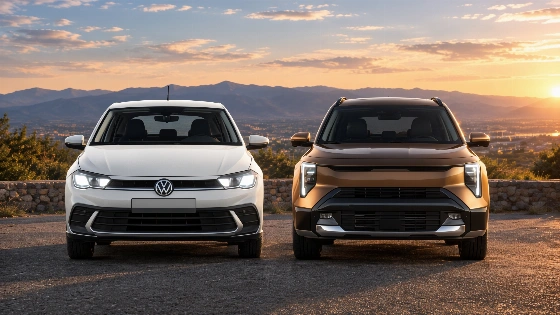
Volkswagen Polo and Kia Niro now go head-to-head on more than just size. The Polo brings a new electric option and tight handling, while the Niro offers hybrid power and a bigger boot. Which one works best for city life?
Price, power, and practicality are all on the table as the Volkswagen Polo and Kia Niro battle for the attention of Spain’s city drivers. The Polo, a fixture in the compact car world, now comes in an electric version. The Niro, a bigger hybrid SUV, pushes what city cars can offer, especially when it comes to space and tech.
The size gap jumps out right away. The Volkswagen Polo is 4.07 meters long. It’s built for narrow streets and tight parking. The Kia Niro is longer at 4.43 meters, and it’s both taller and wider. You sit higher up, and the boot holds 430 liters—almost 80 more than the Polo’s 351 liters. For families or anyone hauling bags, that extra space is a real, daily benefit.
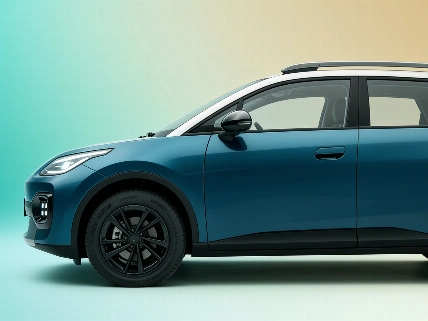
The new Volkswagen ID. Polo is available with two battery options: 37 kWh and 52 kWh, with the top version delivering up to 211 PS.
The biggest difference is how each car handles electrification. The Polo’s regular lineup sticks with petrol engines, from an 80 CV 1.0 MPI up to a 207 CV GTI. But now there’s the ID. Polo—a fully electric version with up to 449 kilometers of range and a 52 kWh battery. This gives city drivers a zero-emission option in a familiar shape. Volkswagen’s official data puts the ID. Polo’s range at up to 281 miles (about 452 km) WLTP for the 52 kWh battery. Some sources list it between 449 and 454 km WLTP, depending on market and setup. The difference comes down to rounding and regional specs, so the official release is the best reference for the exact number.
The Kia Niro takes a different route with hybrid tech. Its 1.6-liter GDI petrol engine works with a 43 CV electric motor for a total of 138 CV, all run through a six-speed dual-clutch gearbox. You don’t need to plug it in. The car recovers energy when braking and can move through city traffic on electric power alone. The Niro’s ECO label is a big plus for drivers dealing with Spain’s tougher city emissions rules. Independent auto directories confirm the Niro Hybrid stays the main version for 2026, with a 1.6 GDi hybrid system making between 129 and 138 horsepower and an automatic transmission.
Inside, the differences get sharper. The Polo’s cabin is simple and practical. It comes with an 8-inch touchscreen and digital cockpit as standard. Higher trims add a 10.25-inch display and more advanced controls. But the move to touch controls for climate settings may annoy drivers who like real buttons. The Niro goes for digital comfort: a wide 12.3-inch infotainment screen, digital gauges, wireless Apple CarPlay and Android Auto, and even a head-up display. You get remote updates and can unlock the car with your phone—features that used to be for premium brands only.
Volkswagen positions the ID. Polo as an affordable electric vehicle for city and suburban use, focusing on efficiency and improved aerodynamics rather than simply increasing battery size. This marks a strategic shift for VW in the small EV segment, as highlighted in recent launch materials and early test drives.
Sales numbers show both cars have found buyers. The Polo has sold 4,469 units so far this year. The Niro has reached 8,174 deliveries by the end of August. These numbers suggest Spanish buyers are drawn to the space and tech of crossovers, but the Polo’s steady sales prove there’s still demand for small, affordable hatchbacks—especially as electric options become more common.
Price is still a key factor. The Polo starts at 20,370 euros, with current deals dropping it to 19,710 euros. The Niro, as a higher-category car, starts at 22,020 euros with financing. Both come well equipped, but the Niro stands out for safety and connectivity—think adaptive cruise, dual-zone climate, and advanced parking help.
For buyers, the choice is less about the badge and more about daily needs. The Polo’s small size and lower price make it a good pick for solo drivers and those who want easy parking. The Niro, with its hybrid system and bigger size, fits families, longer trips, and anyone looking to stay ahead of stricter city rules.
Electrification is here now, not just a future idea. The recent price war among electric hatchbacks shows that price and range are now at the heart of the city car debate. The Polo and Niro show two clear paths: one sticks to compact roots, the other bets on crossover innovation.
In the end, the Volkswagen Polo and Kia Niro make buyers decide what matters most for city driving: price, space, tech, or emissions. The Polo’s new electric version shows even classic models have to change. The Niro’s hybrid system and strong equipment list show how fast expectations are rising. For Spanish drivers, compromise is fading. Urban cars now force a clear choice between agility and space, old habits and new tech.