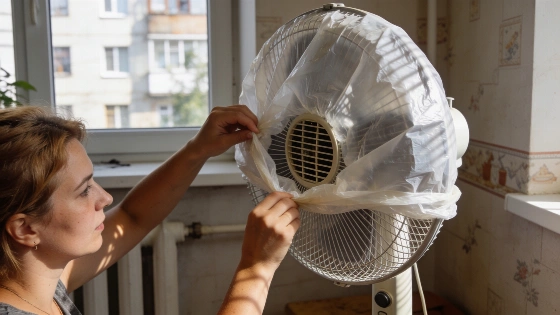
The water drained from your air conditioner is not just waste—it's a resource with practical uses. Free from lime and chlorine, this condensation can help with ironing, cleaning, and even car maintenance, but it comes with important safety rules.
Every summer, as air conditioners run for hours to keep homes cool, a steady trickle of water quietly escapes through the drainage pipe. Most people let this liquid go straight down the drain, unaware that it can be put to good use around the house—if you know the rules.
This water is not ordinary tap water. It forms when warm, humid air passes over the cold coils inside your AC unit, causing moisture to condense and collect. The result is a nearly mineral-free liquid, similar to distilled water, but with a crucial difference: it is not safe to drink. As it travels through trays and pipes, it can pick up dust, bacteria, and other contaminants, making it unsuitable for consumption or food preparation.
Household Uses
One of the most practical uses for air conditioner water is in steam irons. Because it contains almost no lime, it helps prevent the buildup that can clog your iron and leave white marks on dark clothing. This makes it a smart alternative to hard tap water, especially in regions where limescale is a constant nuisance.
Cleaning windows, mirrors, and glass surfaces is another area where this water shines. Its low mineral content means fewer streaks and residue, allowing you to use less cleaning product and achieve a clearer finish. For those looking to reduce water waste, reusing AC condensation is a small but meaningful step toward more responsible consumption.
Scientific studies, such as those published in Case Studies in Chemical and Environmental Engineering, have highlighted the potential of air conditioner condensate as a non-potable water source for various domestic tasks. However, basic precautions are always necessary to avoid health risks.
In the Car: What Works and What Doesn't
Drivers can also benefit from this overlooked resource. Adding air conditioner water to your windshield washer reservoir—mixed with the appropriate cleaning fluid—can help prevent mineral deposits in the system and keep your windshield clear. However, when it comes to the engine's cooling system, caution is essential. This water can only be used if mixed with the correct type and ratio of antifreeze, as specified by your vehicle's manufacturer. Using it alone as a coolant is a recipe for trouble, since the engine requires a precise balance of water and antifreeze to prevent overheating and corrosion.
Before topping up any car fluid, always consult your owner's manual and avoid mixing incompatible products. A careless mistake here can lead to expensive repairs.
What to Avoid
The most important rule: never drink air conditioner water or use it for cooking, washing food, or filling pet bowls. Despite its clean appearance, it is not sterile and may contain harmful microorganisms or debris picked up from the AC system. For plants, this water can be used occasionally, especially for species sensitive to lime, such as hydrangeas or azaleas. But because it lacks essential minerals, relying on it exclusively can deplete soil nutrients over time. Experts recommend alternating it with rainwater, tap water, or adding fertilizer to maintain healthy growth.
Always collect the water in a clean container and avoid letting it sit for days, as stagnant water can become a breeding ground for bacteria and mold.
Small Changes, Big Impact
Reusing air conditioner water is a simple way to cut down on waste and make the most of resources already at hand. For those interested in other practical home solutions, tips like using a damp towel to cool a room—explained in this guide to beating the heat without AC—can also help reduce energy bills and environmental impact.
While air conditioner condensation is not a miracle solution, it offers a safe and effective option for certain household and automotive tasks, provided you follow basic safety guidelines. Used wisely, it can make everyday chores a little easier—and a bit more sustainable.