Empty tofu containers from Mercadona and other supermarkets are being repurposed as clever organizers for kitchen cabinets. But before using them for food or heating, it's essential to check the label for safety. Here’s how to make the most of these everyday items.
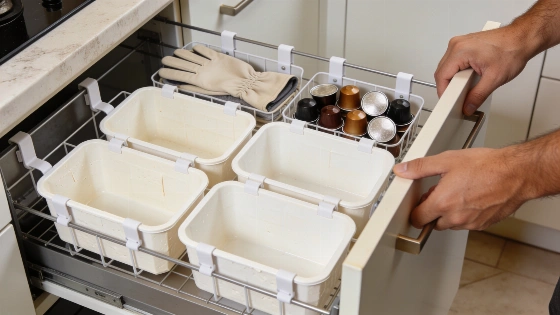
In Spanish kitchens, the humble tofu container is quietly gaining a new reputation—not as waste, but as a practical tool for reclaiming space. Shoppers at Mercadona and other supermarkets are discovering that these plastic tubs, once emptied, can be transformed into organizers for gloves, coffee capsules, sponges, or seasoning packets. The process is simple and requires no special tools, but a bit of care is needed when trimming edges and attaching the container inside a cabinet.
However, not every container is suitable for every use. The key lies in the label. Just because a tofu container once held food does not mean it is safe for reheating, repeated use, or storing hot meals. According to Spain’s food safety agency, only containers marked with specific icons—such as those indicating microwave or freezer compatibility—should be used for those purposes. The familiar cup-and-fork symbol means the plastic is food-safe, but it does not guarantee heat resistance. If the microwave icon or clear instructions are missing, it’s best to avoid exposing the container to high temperatures.
Label Matters
European regulations require that plastic containers intended for repeated use or heating must display clear information about safe temperatures, time limits, and proper handling. If a container is cracked, warped, or retains strong odors, it should be discarded. When in doubt, consult the manufacturer or use the container only for non-food items. Pouring hot soups or sauces into an unapproved container can be risky, even if it looks sturdy.
Turning Containers Into Organizers
To repurpose a tofu container, start by removing any food residue and washing it thoroughly. Dry it completely to prevent odors and ensure adhesive sticks well. If you trim the top edge for a better fit, cover the cut with masking tape to avoid sharp edges. Clean the inside of the cabinet door, let it dry, and then attach the container using double-sided tape. This method is similar to how some people reuse empty milk cartons for storage. The container can hold lightweight items like disposable gloves, new sponges, clips, or coffee pods. Avoid overloading it or storing sharp objects. Using containers of different sizes can help separate categories and keep cabinets tidy.
Extra Caution With Food Storage
When considering reuse for food, the requirements are stricter. Only containers explicitly labeled for reuse and food contact, and that remain in good condition, should be considered. The label should specify temperature limits and the types of food allowed. If the lid is not airtight, avoid storing liquids or anything that could spill. Covering the container with plastic wrap does not make it microwave-safe or suitable for repeated use. For most people, using these containers as organizers is the safer and simpler option.
When to Recycle
Once a container is no longer usable, it should be emptied and placed in the yellow recycling bin, as recommended by Ecoembes. There’s no need to wash it perfectly—just remove any remaining contents. Local recycling rules may vary, so check your municipality’s guidelines if unsure. For more information on interpreting packaging symbols, the AESAN guide and EU Regulation 2025/351 provide detailed explanations about safe use and recycling.
Repurposing tofu containers is a small but effective way to reduce waste and improve kitchen organization, as long as safety guidelines are followed. Other retailers are also experimenting with reusable packaging models, especially for meat trays, to further cut down on single-use plastics.