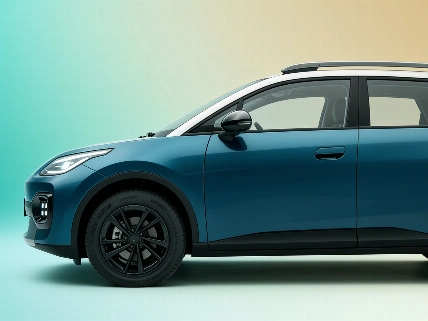
Dongfeng’s new Vigo joins a surprising list of cars named after Spanish cities. From luxury sedans to SUVs, global manufacturers have long borrowed Spanish place names for their models, often with unexpected stories behind each choice.
Dongfeng has launched two new models in Spain, but it’s the name of one that stands out: Vigo. Priced from €24,500 with incentives, the Vigo is the latest in a long tradition of cars named after Spanish cities—a trend that extends far beyond the country’s own brands.
While Seat is famous for using Spanish place names like Ibiza, León, and Toledo, this naming strategy has attracted international attention for decades. The practice began in the 1980s, when Seat, then newly integrated into Volkswagen, started branding its models after Spanish towns and regions. Cupra, now an independent marque, continues this approach today.
American Icons with Spanish Names
Major global manufacturers have also looked to Spain for inspiration. The Cadillac Seville, produced from 1975 to 2004, was Cadillac’s answer to the growing popularity of European luxury sedans. The name Seville had already appeared on a coupe version of the ElDorado, but it was the Seville sedan that cemented the connection between the American brand and the Andalusian capital.
Chrysler followed suit with the Cordoba, a model originally intended for Plymouth but ultimately sold under the Chrysler badge from 1975 to 1983. The Cordoba stood out for its comfort and finish, and its name paid tribute to the historic city of Córdoba, just 140 kilometers from Seville.
Another example is the Dodge Durango. Although the SUV’s name refers to the Mexican state of Durango, the region itself was named after the Basque town of Durango in northern Spain, highlighting the layered connections between Spanish geography and global car branding.
European and Japanese Tributes
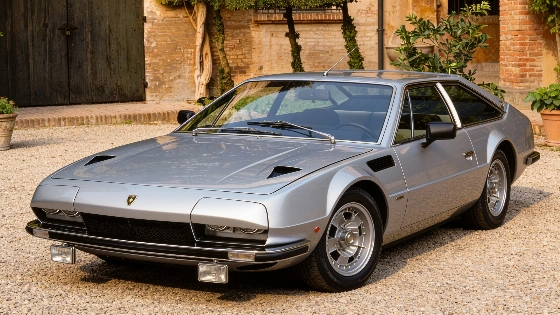
Lamborghini’s fascination with Spanish culture is well documented. Founder Ferruccio Lamborghini was passionate about bullfighting, and many of the brand’s models are named after famous bulls or terms from the world of tauromachia. The Lamborghini Jarama, however, is an exception: its name may reference the Jarama river near Madrid, which also lent its name to Spain’s first permanent racing circuit and several local towns.
Ford’s Granada is another notable case. The name was used for two entirely different sedans: one produced in Germany for the European market from 1972 to 1994, and another for the US market until 1982. Both paid homage to the city of Granada, but each targeted a distinct audience.
Nissan’s Navara, meanwhile, draws its name from Navarra, one of Spain’s historic kingdoms. To make the name easier to pronounce internationally, Nissan dropped one ‘r’ from the original spelling.
Spanish Names, Global Appeal
The use of Spanish city names in car branding is more than a marketing quirk. It reflects the enduring cultural influence of Spain and the global fascination with its regions and history. As new electric models like the Dongfeng Vigo enter the market, this tradition shows no sign of fading. The trend also highlights how carmakers seek to evoke a sense of place, heritage, or adventure through their model names—a strategy that continues to shape the industry’s identity.
For those interested in how car brands are adapting to new market realities, including the shift to electric vehicles, the evolution of model names is just one part of a broader transformation. Recent coverage of the changing landscape for electric SUVs, such as the rise of models from Skoda, Volkswagen, Hyundai, and Cupra, offers further insight into how manufacturers are responding to consumer expectations and regulatory pressures. See more on this topic in the article highlighting the new generation of electric SUVs shaping daily mobility.
Spain’s cities and regions continue to inspire the automotive world, not just as destinations, but as symbols of style, performance, and innovation. As the industry evolves, these names remain a testament to the country’s lasting impact on global car culture.