Will Fishing in Spain Change: New Rules and Fines Up to 3,000 Euros. Spain is considering tightening regulations for fishing enthusiasts. Violating the new requirements can lead to hefty fines and confiscation of equipment. We explain what will change and how to avoid problems.
Spain is preparing to change regulations for fishing enthusiasts, which could affect thousands of people across the country. The focus is on an obligation to cut the lower part of the tail fin on caught fish. This measure, already in place in several autonomous regions, may become mandatory throughout the country.
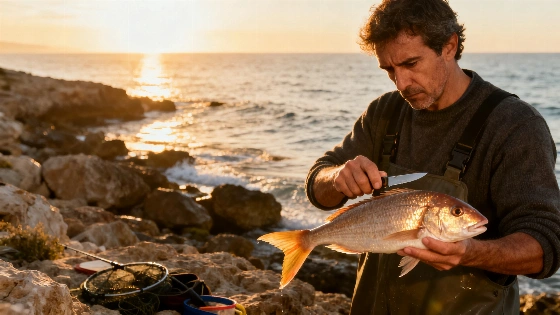
The essence of the new regulation is simple: after catching a fish, the angler must immediately, before leaving the fishing spot, make a clear cut on the lower lobe of the tail fin. This mark allows inspectors to distinguish fish intended for personal consumption from those that may end up on the illegal market. According to Talent24h, the main reason for extending this practice is to combat the illegal sale of fish.
Reasons for the changes
In recent years, authorities have been paying increasing attention to controlling recreational fishing. One of the goals is to increase transparency in the origin of fish and facilitate inspections on the coast, where the issue of preserving certain species is especially acute. The cut on the tail is a simple but effective way to make the catch easily recognizable to inspectors.
Currently, the requirement is not in effect in all regions, but the draft amendments to the 2011 royal decree already provide for its extension throughout Spain. This means that in the near future, every fisherman, regardless of where they fish, will be required to follow this procedure.
Penalties for violations
Ignoring the new rules can be costly. Depending on the severity of the violation, fines can reach up to €3,000. In some cases, not only the catch but also the fishing gear may be confiscated. Each autonomous community has the right to set its own details for sanctions, but the overall approach is becoming increasingly strict.
It is important to remember: fish caught during recreational fishing cannot be sold. Violating this principle is considered a serious offense. Therefore, even a small formal omission—such as the absence of an incision—can lead to serious consequences.
Practical recommendations
To avoid trouble, anglers should familiarize themselves with the current regulations in their region in advance. If an incision is required, it must be made immediately after the catch, without waiting until you get home. This is not just a formality, but also a way to protect yourself from suspicions of breaking the law.
In recent months, videos explaining the new procedure have been actively circulating on social media. However, as Talent24h notes, many people are still unaware of the upcoming changes. It is important to keep up with legislative updates and not rely on outdated habits.
Context and significance
The expansion of catch processing requirements is part of a broader trend toward stricter control over natural resources. Similar measures are already under discussion in other areas related to the regulation of daily life in Spain. For example, the issue of changing the clocks remains on the agenda, with key decisions expected only in 2026, as discussed in detail in the article on upcoming time changes.
In the end, even such a seemingly minor step as a cut on a fish's tail becomes an important part of the control and self-protection system for everyone who goes fishing. Following the new rules is not just about obeying the law, but also a way to avoid unnecessary risks.