Spanish Civil Guard Warns: Sharing Your DNI Online Puts Your Data at Risk. Millions of Spaniards send photos of their DNI via messengers and email, unaware of the consequences. The Civil Guard explains how such actions open the door to banking fraud and identity theft. Which mistakes are most common and how to protect your data — in our analysis.
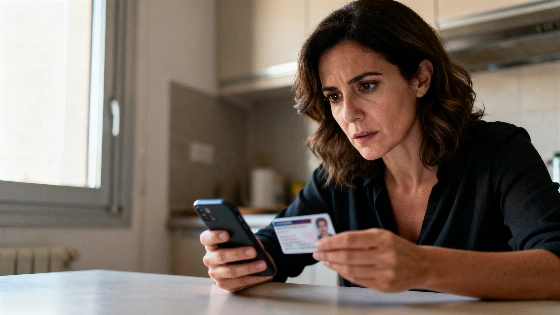
A photo of the DNI sent via WhatsApp or email has become a common way for many to verify their identity—when renting property, buying from a private individual, or applying for a job. But this convenience often leads to serious problems: Spain’s Civil Guard reports a rise in fraud linked to the careless sharing of document copies.
The main mistake is sending a color image of the document with all data clearly visible. In the hands of scammers, such a copy can be used to open an account, take out a loan, or make a purchase in someone else's name. According to Talent24h, the number of such cases is increasing as digitalization and online transactions become more popular.
Why a complete copy is dangerous
The DNI contains not just your name and date of birth but also your signature, photograph, and document number. If you send all these details without restrictions, fraudsters gain a full set to forge your identity. Those in a hurry—such as when urgently renting or buying—are especially vulnerable.
The Civil Guard notes that the growth of online services, rental and sales platforms, and remote job offers creates new risks. It’s not always clear who is requesting a copy of your document and for what purpose, and the explanations are often formal or missing altogether.
How to correctly send a copy of your DNI
Experts advise: if a copy is required, send it only in black and white. This makes it harder for fraudsters to reuse the image. Another step is to cover or blur information not needed for the specific transaction: signature, photo, expiration date.
Before sending, ask yourself: does the recipient really have the right to store your personal data? Not all companies or individuals can demand a full set of information. Rushing is a bad advisor when it comes to security.
Step-by-step protection guide
The Civil Guard recommends:
- Use only a black and white copy of the document.
- Hide or blur data not needed for the transaction.
- Add a watermark stating the purpose of transfer to the image.
- Do not send a copy upon request without an explanation or if there is suspicious urgency.
A watermark is a simple inscription on the photo that links the copy to a specific transaction. This makes it more difficult to reuse the document for other purposes.
When to be especially careful
Pay special attention to situations involving private transactions, renting accommodation, or job offers online. These are the most common settings for fake ads and bogus employers collecting personal data for future scams.
Before sending a copy, it is important to verify who is requesting the document and whether it is truly necessary. Do not provide more information than is required for the specific transaction.
Document security issues are becoming increasingly relevant as regulations on handling personal data tighten. For example, new fines for throwing cigarette butts off balconies in Spanish cities are yet another example of how everyday habits can lead to unexpected consequences. More details on the new rules can be found in the article about fines for discarded cigarette butts in Spain.
In the coming years, digital services will continue to evolve, which means vigilance when transmitting personal data will remain a key aspect of security.