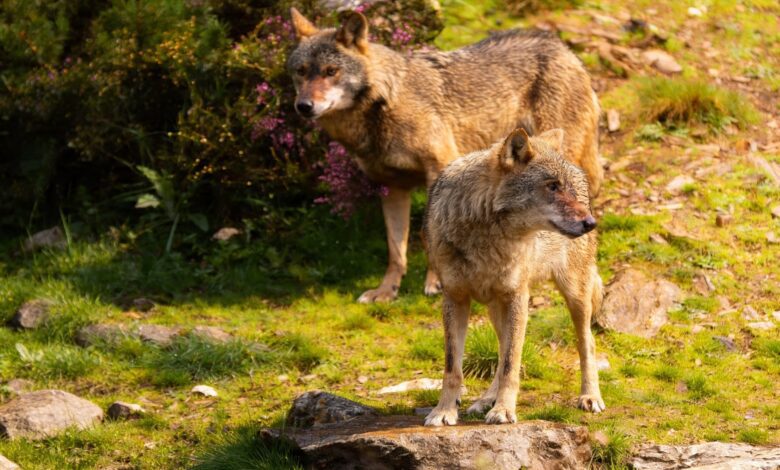
The issue of wolf conservation in Castilla-La Mancha has once again taken center stage, as it directly affects the interests of farmers, environmentalists, and regional authorities. For local residents, this is more than just a debate about wildlife—it’s about the future of agriculture, compensation for damages, and the balance between nature and the economy. As El Pais notes, tensions have escalated following new demands from environmental organizations and the response from local officials.
Demands on Authorities
Environmental movements such as Ecologistas en Acción and the Iberian Wolf Protection Foundation are calling for the development of a plan to restore the wolf population in all areas of Castilla-La Mancha where this predator lived decades ago. They refer to laws that require protecting endangered species and stress that the wolf has been officially recognized as endangered in the region since 1998. However, the regional authorities are limiting measures to just the Sierra Norte de Guadalajara, where, according to the Ministry for Ecological Transition (Miteco), four wolf packs remained in 2024, some of which range into neighboring regions.
According to Ecologistas en Acción, the population is extremely small—no more than 10–15 individuals—which does not match the image of a dangerous predator massively attacking livestock. However, farming organizations such as APAG cite different numbers: 35 wolves and nearly 200 attacks on livestock in the past two years. They believe that since the wolf was listed as a specially protected species (LESPRE) in 2021, the situation for farmers has only worsened.
Farmers’ Position and Compensation
Farmers from Sierra Norte de Guadalajara, including the head of the local livestock association Fernando Moreno, say they face dozens of attacks on their herds every year. They believe the authorities are failing to control the situation, and that compensation for lost livestock does not cover the real damages. According to them, beyond direct losses, cases of missing calves and animal stress leading to miscarriages remain unaccounted for.
In 2025, around 50 municipalities signed a petition demanding a change in the approach to managing the wolf population. According to their data, in 2024 alone, 137 animals were killed and another 17 injured in attacks. Despite a 30% increase in payouts for lost livestock, farmers insist these measures are insufficient. They also note that the wolf is gradually expanding into new areas in the southern part of the province, causing further concern.
Arguments from authorities and legal nuances
Regional authorities refer to laws that allow the integration of endangered species conservation measures into natural area management plans, provided it involves a localized population. For wolves, such measures are implemented only in the ZEPA Sierra de Ayllón zone, where a special monitoring and support plan has been developed. According to Susana Jara, director of nature and biodiversity, this plan includes threat analysis, outlooks, and concrete actions for wolf conservation.
However, environmentalists insist that with endangered species status, authorities are required to develop a dedicated recovery plan rather than limiting themselves to local measures. Lawyers from Ecologistas en Acción warn that they may take the case to court if the region fails to meet these requirements. Meanwhile, according to El Pais, representatives of farmers continue to push for tighter controls on the wolf population and increased compensation.
Context and similar cases
Questions about the balance between wildlife protection and agricultural interests regularly spark debate in various regions of Spain. For example, the issue of social support for vulnerable groups was recently discussed in Badalona, which also led to protests and policy changes — more details on the authorities’ response to residents’ demands can be found in the russpain.com materials. Such conflicts illustrate how difficult it is to find compromise between different interests when it comes to protecting nature and the economic risks for local residents.
In recent years, Spain has seen a rise in conflicts between animal rights activists and farmers, especially in regions with traditional livestock farming. The introduction of new regulations to protect endangered species is often accompanied by an increase in complaints about damages and demands to revise compensation schemes. In other parts of the country, such as Asturias and Castilla y León, similar disputes have led to temporary hunting bans and a review of support programs for farmers. These developments reflect a general trend toward stricter environmental policies and the search for new models of coexistence between people and wildlife.