The day of silence before the 2026 elections in Aragón truly reflected the shifting political culture of the region. This year, candidates abandoned customary public events and campaigning, choosing instead to spend time on personal activities and with loved ones. Such behavior not only highlights new trends in Spanish politics but also shapes how voters perceive their future leaders.
Public gestures and private moments of the candidates took on special significance that day. Each one found a personal way to spend the time, reflecting the values they believe are important for society. This wasn’t just leisure — it signaled how politicians see themselves outside official roles and what they are ready to offer their voters.
Voters are paying increasing attention to the details and personal habits of their leaders. At a time when trust in politicians is often questioned, such moments can play a decisive role in shaping public opinion and may even influence the outcome of the vote.
Personal choices
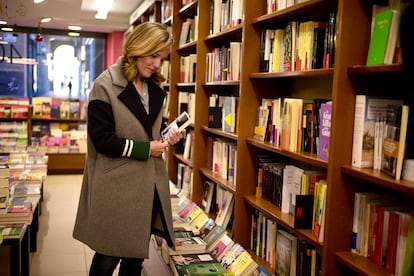
Pilar Alegría, the Socialist candidate, chose to spend the day reading and visited a bookstore in Zaragoza. This choice highlights her commitment to personal growth and intellectual development, which may resonate with many in the region. Meanwhile, Vox candidate Alejandro Nolasco opted for a walk through his hometown Villastar, showcasing his attachment to traditions and the local community.
Jorge Pueyo from Chunta Aragonesista spent time playing football with friends, highlighting his openness and teamwork skills. María Goikoetxea, representing Podemos, chose a quiet retreat in her home village surrounded by loved ones, underscoring her connection to her roots and the simple joys of life.
Jorge Asson, leader of the Partido Popular, visited the famous Pilar Basilica in Zaragoza with his wife before joining his team for the traditional vermouth. This approach combines respect for cultural symbols with informal interaction among colleagues.
Family traditions
Marta Abengochea from IU–Movimiento Sumar spent the day walking along the canal in Zaragoza and then dedicated time to her family. This highlights the importance of balancing work and personal life, a growing priority for Spaniards.
Tomás Guitarte, the candidate from Teruel Existe, chose a trip to the Laguna de Gallocanta nature reserve. This choice demonstrates his focus on environmental issues and preserving the region’s natural heritage.
Alberto Isquierdo, who leads the Partido Aragonés list, went skiing with his children in Aramón Valdelinares, near his native Gúdar. This emphasizes family values and a love for active recreation.
The meaning of gestures
On this day, every gesture and every decision made by the candidates was scrutinized closely. Their actions served as a unique message to voters: some highlighted their connection to culture, others to sports, and some emphasized ties to nature and family. In a climate where political rivalry is growing increasingly intense, such details take on special significance.
Public appearances in informal settings allow candidates to present themselves from a different perspective. It’s not just an opportunity to relax, but also a chance to strengthen trust among those who value sincerity and simplicity.
In Argon, the day of silence became a kind of test of humanity for politicians. Their choices on this day may prove decisive for many voters who are looking for not just professionalism in their leaders, but also a sense of closeness to everyday life.
Context and trends
In recent years, there has been a growing interest in Spain in how politicians spend their personal time outside official events. Days of silence like these are becoming increasingly important in shaping public opinion. In 2023, for instance, candidates in Catalonia and Madrid also opted for family gatherings and cultural activities, which drew wide coverage in the media and on social networks.
Such moments allow voters to see their leaders in an informal setting, which helps build trust and reduce political tension. At a time when society increasingly demands transparency and sincerity, these gestures become especially valuable. In the future, we can expect that politicians’ personal choices during blackout periods will become even more visible and widely discussed.