A major scandal has erupted in Mostoles after a former member of the municipal council filed a complaint against Mayor Manuel Bautista. According to El Pais, the statement details cases of pressure and interference in her private correspondence, as well as attempts to force the woman to withdraw her appeal to the court.
The situation has sparked a regional outcry. Madrid President Ayuso publicly supported the mayor, calling him “excellent” and stating that he “performs at the highest level.” At the same time, as the source notes, regional authorities including Sergio Serrano and Ana Millán reportedly tried to persuade the ex-official not to make the conflict public, even referencing her family. There are also reports of access to her email in order to delete information.
Reaction and Consequences
In response to the actions of the leadership, the former official turned to the court, and her complaint was accepted for review. Within the party, according to El Pais, there have been internal purges: even those who supported the victim, including well-known members such as Elisa Vigil, lost support. The protocol for combating sexual harassment, as the source notes, was not applied in the municipality.
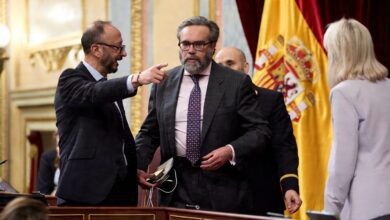
At one of the city council meetings, Mayor Bautista stated that he felt persecuted, comparing the situation to ethnic discrimination. On that day, opposition female deputies were removed from the chamber, while the majority supported the mayor with applause.
Criticism and Demands
The scandal has sparked a wave of criticism against the regional authorities and city leadership. According to the opposition, the situation demonstrates disregard for women’s issues and a lack of effective mechanisms to protect against workplace harassment. El Pais emphasizes that such cases should not go unpunished, and victims must receive support.
Although the complaint is already being reviewed by the court, the mayor of Mostoles remains in office. The question of his resignation is still unresolved. In the region, there is discussion about the need to reform approaches to women’s protection and to reconsider the work of party structures.