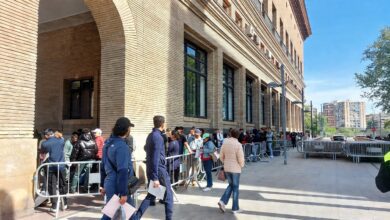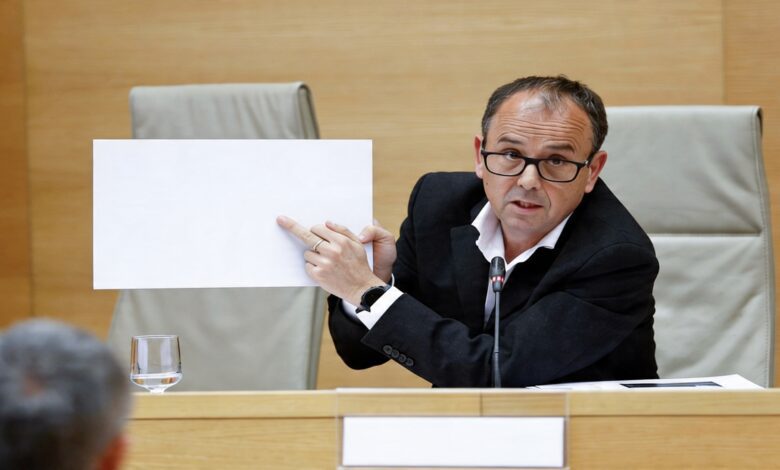
In Spain, an investigation is ongoing into the actions of the authorities during the devastating flood in Valencia in 2024, which claimed 230 lives. José Ángel Núñez, head of climatology at the Agencia Española de Meteorología (Aemet) in the Valencian Community, spoke before a parliamentary commission, sharply criticizing the regional government’s response. According to him, despite early warnings about the approaching ‘gota fría’, emergency services failed to take timely measures, and a mass alert to the population was only sent after the situation had become critical.
Criticism of emergency services’ response
Núñez stressed that by five o’clock in the afternoon it was already clear: a significant part of Valencia province was flooded, yet no decisions on actions were made. He compared the reactive crisis management to trying to treat an illness when it has already reached an irreversible stage. According to El Pais, Aemet had sent the first special warnings several days before the disaster, while the media actively disseminated information about the risk of heavy rainfall.
Special attention at the meeting was given to the delay in sending out the emergency alert to residents’ mobile phones. According to Nuñez, the warning was only received after eight in the evening, when the death toll had already exceeded 150 people and dozens were in critical condition. He noted that Aemet employees do not have the authority to directly notify the public or contact mayors; their task is to provide meteorological information to the relevant services.
Internal disputes and responsibility
During the meeting, Nuñez stated that on the day of the tragedy he regularly updated colleagues and took part remotely in the Cecopi (Operational Coordination Center) session. In correspondence with colleagues, he highlighted the critical situation at the Forata reservoir and discussions on possible evacuation. He also recorded the moment when the issue of sending the emergency alert was discussed, which later contradicted the official version of then-head of the Justice and Interior Department, Salomé Pradas, who claimed she was unaware of the alert system before eight in the evening.
Nuñez stated that after the release of the meeting’s audio recording, he was insulted by one of the regional ministers, who called him a “meteorologist-spy.” He also noted that Aemet is not responsible for warning about the overflow of specific reservoirs, but the agency provided timely information about the risk of heavy rain and always reported the situation at Cecopi sessions.
Consequences and new questions
According to El Pais, most of the flood victims died inside buildings: on ground floors, in private homes, garages, and social institutions. The delay in decision-making and in notifying the public was a key factor. Authorities’ actions remain under public and judicial scrutiny. Amid ongoing investigations in Valencia, attention to officials’ accountability and reforms in the emergency response system is only increasing. In this context, it is worth noting that the region had already seen discussions about reviewing the status of politicians and reforming the courts, as reflected in material covering pressure on the judicial system and the demands of disaster victims in connection with high-profile investigations in Valencia.