Diplomatic activity by representatives of the autonomous region of Kurdistan (Iraq) has surged sharply in Madrid following the escalation of the conflict between the US, Israel, and Iran. According to El Pais, a delegation from the Kurdish autonomy sent official requests for meetings to all factions of the Madrid Assembly and has already held talks with representatives of the regional government.
In early April, members of the Madrid parliament received an email from Darovan Hamid Gafar, the official representative of Kurdistan in Spain. The letter described in detail the consequences of missile and drone attacks linked to the war in the Middle East, noting as well that the region was ‘caught in the crossfire’ between major powers, despite not being a party to the conflict. The message stressed that Kurdistan is suffering losses due to an external war and requested a meeting to discuss the consequences of current events.
Requests and contacts
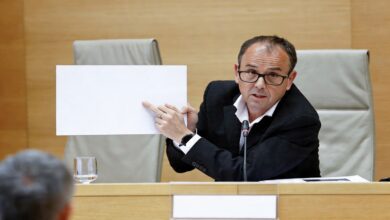
In the Madrid Assembly, the unusual appeal sparked discussion at the parliamentary leadership level. According to Speaker Enrique Ossorio, the purpose of the meeting is to establish a channel of communication on issues related to the war’s impact on the region. The Kurdish delegation has already met with members of the economic and education sectors of the Madrid government, where they discussed, in particular, a project to open a Spanish school in Kurdistan. Similar contacts have also taken place with senators, as well as with the authorities of other autonomous regions, including Castilla-La Mancha.
However, it was precisely after the escalation of the situation in the Middle East that Kurdish diplomatic activity in Madrid increased significantly. Israeli organizations are also actively operating in the Spanish capital, advancing their position through meetings with politicians and the work of organizations such as Fundación HispanoJudía and ACOM. In the letter from the Kurdish side, it is emphasized that the region officially maintains neutrality but is forced to deal with the consequences of others’ conflicts. Documents were attached to the letter, including information about the drone attack on March 28, which targeted the residence of Kurdistan President Nechirvan Barzani.
Reaction and consequences
Geographically, Kurdistan occupies a strategic position in northern Iraq, bordering Turkey and Iran, making it vulnerable to external attacks. Despite active requests, no meeting with Assembly parties has yet been scheduled—the parliamentarians are studying this unusual proposal. The Kurdistan delegation itself notes that similar appeals have been sent to other regions of Spain, and the meetings already held have helped advance cooperation projects.
The impact of the Middle East conflict is felt in Madrid not only at the diplomatic level. Earlier this month, it became known that the United States denied a visa to 14-year-old Iranian student Kiyan from the Severo Ochoa Institute (Alcobendas), who was supposed to represent Madrid at a UN educational project in New York. The Socialists tried to secure unified support from the Assembly in defense of the student, but did not receive agreement from the Partido Popular. PSOE representative Mar Espinar linked this to the regional authorities’ stance on the Middle East conflict.
Context and comparisons
The diplomatic and political consequences of international conflicts are increasingly evident in Spanish regions. Similar situations, where external events directly influence the domestic agenda, have already been noted in Madrid before. For example, mass rallies and protests in the capital have also reflected international and national disputes — as was the case during the weak response to the police rally against the Ministry of Interior’s policy.
According to El Pais, neither side has yet announced any concrete agreements, however, the diplomatic activity of the Kurdish delegation in Madrid has become a noticeable element of regional politics against the backdrop of the ongoing war in the Middle East.