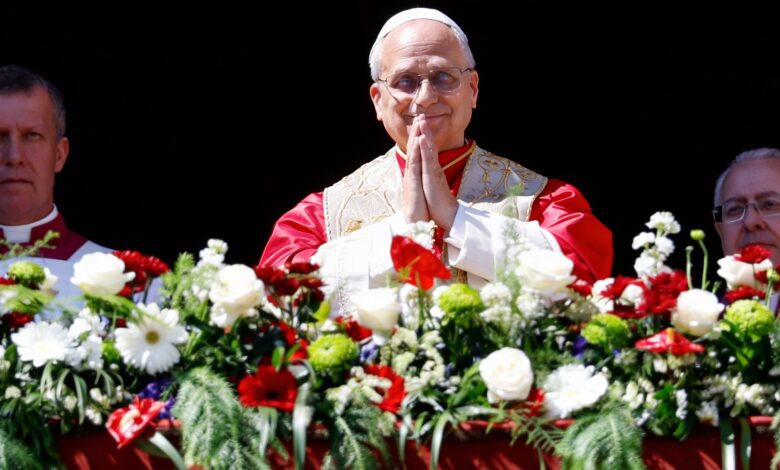
In 2026, Spaniards are once again focused on the relationship between the Vatican and Catalonia. The upcoming visit of Pope Leo XIV to the region could influence perceptions of national identity and the role of the Catholic Church in Catalonia. For many in Spain, this visit represents not just a religious event, but also a possible shift in the balance between church and state, as well as a new chapter in the history of Catalan nationalism.
Catalan nationalism has long sought recognition from the Vatican, especially after secular authorities failed to grant the desired status. As El Pais notes, the Holy See acknowledged the church’s independence in Catalonia as early as the 12th century, marking a significant political move. In the 19th century, as the national movement grew, the church became a stronghold for preserving Catalan identity, and during Franco’s dictatorship, religious institutions were key supporters of the Catalan language and traditions.
Historical parallels
Over time, the church’s role in the region evolved. After Spain’s transition to democracy, churches began to empty, and attempts to obtain the Vatican’s recognition of Catalonia as a separate church province or to establish its own bishops’ conference were unsuccessful. According to El Pais, in 1987, discussion of the so-called Tarancón Conference drew ironic comments from Spanish bishops, highlighting the lack of unity within the church on this issue.
Catalonia has produced both cardinals who stood against dictatorship and defended Catalan culture, as well as those who supported the military coup. For example, Francesc Vidal i Barraquer refused to endorse the military junta and died in exile, while Isidro Gomá, on the contrary, became one of the authors of a collective letter supporting Franco. Today, the region’s clergy also expresses a wide range of views, from ultra-conservative to advocates of renewal.
Current Challenges
At the end of the 20th century, the Vatican repeatedly voiced concern over rising nationalist sentiment within the Catalan Church. Nuncio Lajos Kada stressed in his reports that in some parishes, Mass was not held in Spanish, and the idea of creating a separate church jurisdiction raised fears for the country’s unity. These concerns harken back to the days of Primo de Rivera’s dictatorship, when the Vatican worried Catalan clergy could threaten the integrity of Spain.
Each new papacy brings hope for change among Catalan Catholics. Pope Francis and now Leon XIV have shown willingness to discuss difficult issues: the vocation crisis, scandals involving pedophilia, the role of women in the Church, and the rise of radical movements. However, despite the symbolism of visits to Montserrat and Sagrada Família, sweeping changes are unlikely. As El Pais writes, the Vatican traditionally avoids taking drastic measures in matters of national identity and church governance.
Public reaction and consequences
The Pope’s visit to Catalonia is already sparking lively debate among both believers and secular residents of the region. For some, it is an opportunity to reinforce Catalan identity, while for others, it serves as a reminder of the complex relationship between church and state. It’s important to note that such visits often prompt discussion not only about religious matters, but also political issues related to autonomy and regional rights.
In light of recent events concerning the role of the church in Spanish society, it’s worth recalling how legal proceedings over public comments about the clergy spark widespread reaction. For example, the case regarding Pablo Echenique’s tweet, which was heard in Madrid, became a focal point for debate over the boundaries of what is acceptable in public discussions about religion and migration (more about the court case).
Context and related events
In recent years, Spain has repeatedly become a focal point of debates about the role of the church in public life. In 2024, the issue of teaching religion in schools was discussed, and in 2025, Andalusia saw mass protests against the closure of parishes. Catalonia traditionally holds a special place in these debates due to the strong link between national identity and Catholicism. Other regions, such as the Basque Country, have also seen efforts to gain greater autonomy for church structures. These developments reflect profound changes in Spanish society and continue to shape the relationships between the church, the state, and regional communities.