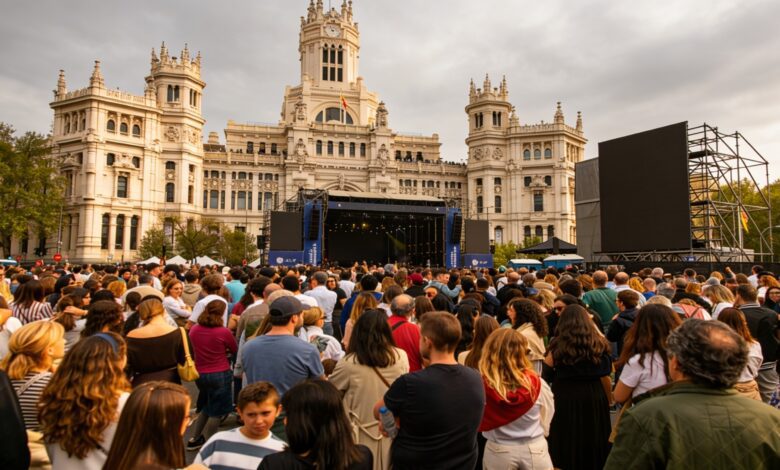
A large-scale musical event in the heart of Madrid became a prominent occasion for all of Spain. This time, Cibeles Square was transformed into the stage for a Christian pop concert that gathered 85,000 people. For the capital, this is not only a record attendance but also a sign of growing interest in religious initiatives that unite different generations and social groups.
The organizers attracted not only believers but also those usually distant from church traditions. According to El Pais, the event featured performances by Hakuna, Gipsy Kings, and Boney M. The concert was designed so that everyone could find something relatable, from modern hits to traditional songs. The atmosphere on the square felt like a family celebration, with families with children, students, monastic communities, and local residents among the guests.
Religious focus
Pope Francis supported the event, encouraging people in an open letter to celebrate faith through music. The organizers—the Catholic Propagandists Association (ACDP)—enlisted more than two hundred volunteers to help maintain order. This year, the event stood out especially against the backdrop of growing secularization in society. Many young participants shared that they are searching for new meaning and find it at such gatherings.
Plaza Cibeles is traditionally used for major city celebrations, but this time it became a place of religious unity. According to El Pais, not only Madrid residents attended the event, but also visitors from other regions of the country. Among the crowd were groups of nuns, students, and members of Catholic organizations. Performances by Hakuna—a group that has become a symbol of the renewal of Christian music in Spain in recent years—drew particular attention.
Music and faith
Hakuna is more than just a music group—it’s a movement that brings together young people around the idea of contemporary religious music. Their concerts in Madrid have already drawn thousands of fans, and this time, interest was even higher. According to El Pais, nearly 40 musicians performed on stage at once, while audience members in the front rows held up posters with song lyrics.
Hakuna originated from youth gatherings focused on prayer and music. The founder, priest José Pedro Manglano, managed to create a unique format that blends live performance, personal stories, and elements of traditional liturgy. The movement now spans around 60 parishes across the country and continues to grow. At the same time, the success of such initiatives has raised questions within parts of the church community: in March, the Bishops’ Conference published a report expressing concern about the emotional influence of new religious movements.
Public response
The large-scale event attracted attention from both politicians and public figures. Representatives from various parties and well-known activists were seen in the square. According to El Pais, among the guests were individuals who had not previously made their religious beliefs public. This year, the celebration became a platform for open dialogue about the role of faith in contemporary Spain.
The concert ended with the performance of Salve Rociera—a song that bridges tradition and modernity. Participants joined hands and sang together, fostering an atmosphere of unity. Organizers believe that such events help bring religious themes back into the public sphere and make them accessible to young people.
Context and trends
In recent years, Spain has seen a growing interest in large religious gatherings, particularly among the youth. These concerts and meetings are becoming not only a way to express faith, but also a form of public dialogue. A similar event was held in Barcelona in 2025, drawing more than 60,000 people to the square. Other cities across the country are also seeing an increase in initiatives that combine music, tradition, and modern forms of communication. These trends reflect changes in how religion is perceived and its role in the lives of Spaniards.