The introduction of new vertical gardens on the M-30 is becoming a significant event for Madrid residents, as the project affects one of the city’s busiest thoroughfares and involves major budget expenditures. The decision to expand green walls reflects the authorities’ aim to improve the capital’s environment and appearance, but it also raises questions about the advisability and effectiveness of such investments.
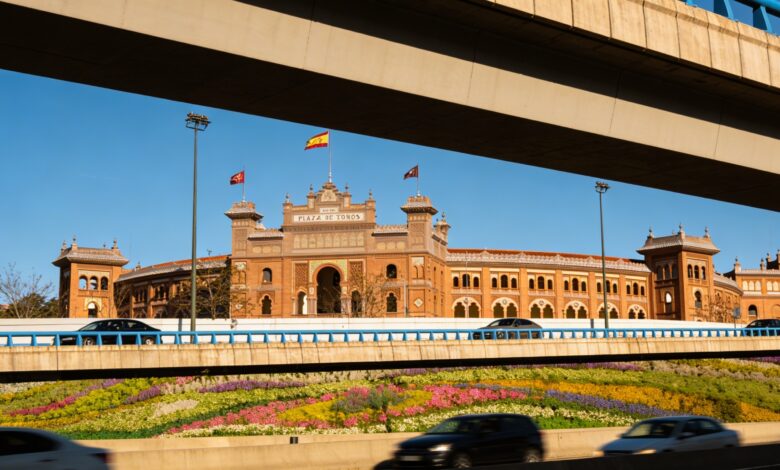
According to El Pais, a second vertical garden will appear in the Ventas section of the M-30 in the coming months. It will stretch for 400 meters, and the cost of the project will reach 6.2 million euros—almost double what was spent on the first similar garden built in 2023 on Avenida de la Ilustración. Officials attribute the increased spending to the use of new technologies and the expansion of greenery to 2,834 square meters. This time, the design will feature 34 species of Mediterranean plants, chosen for their drought resistance and ability to bloom year-round.
The work will be carried out by Madrid Calle 30, which has been fully under municipal control since January. Due to heavy traffic—according to El Pais, up to 10,000 vehicles an hour pass through here—construction will only take place at night. The new gardens will be installed on concrete modules of the existing barrier, simplifying access to engineering infrastructure and reducing the load on supporting walls.
Technology and maintenance
Inside the enclosure, a water recirculation system will be installed using recycled liquid from the Canal Isabel II. Irrigation will be fully automated and managed remotely, with excess moisture collected by a special collector. To monitor plant health and environmental conditions, sensors measuring humidity, temperature, and air quality will be placed throughout the area. In case of water supply interruptions, a 65,000-liter reservoir is planned to maintain irrigation for up to three days.
Unlike the first vertical garden, which used heavy folding panels for equipment access, the new design allows maintenance through internal galleries. However, as El Pais notes, the exact annual maintenance costs have not been disclosed. For comparison, the upkeep of the first project costs the city almost €200,000 per year.
Environmental expectations and criticism
The municipality emphasizes that the project not only beautifies the city but also acts as an air filter: the plants can trap pollutant particles, absorb hydrocarbons and nitrogen oxides, and create a habitat for pollinators. Authorities believe these measures will help combat the urban heat island effect and make Madrid more resilient to climate challenges.
However, experts in ecology and urban planning remain skeptical about such initiatives. In their view, even if the entire M-30 were covered with green walls, it would not lead to a noticeable decrease in city temperatures. Additionally, the effectiveness of vertical gardens in combating air pollution in areas with heavy traffic is questionable. Critics point to the high cost and limited real impact, issues that have already been discussed in other urban projects, such as the construction of new cultural sites, as was the case with the opera house in Málaga.
Construction details and future outlook
Each module of the new wall will measure 6 by 6 meters and contain 36 plants secured on a metal frame. Each plant will have its own drip irrigation system connected to the main supply. Along the entire structure, a weather station will be installed that automatically shuts off water collection when it rains. All system parameters will be monitored in real time, which should improve reliability.
In recent years, vertical gardens have become a popular feature in urban landscaping across Spain. These projects are being implemented not only in Madrid but also in other major cities, as local authorities look for ways to improve the environment and enhance the appeal of public spaces. However, significant investments in such initiatives remain a topic of debate among experts and residents, particularly given limited budgets and the need to address more pressing urban issues.