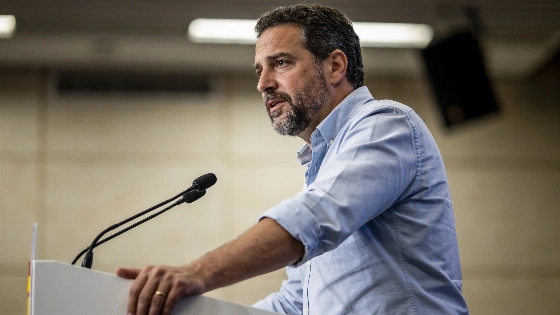
Santiago Abascal predicts a bitter campaign before Spain's November 29 vote. He accuses Pedro Sánchez of protecting power and urges voters to cast ballots in person.
Spain's early parliamentary vote is set for November 29, 2026, after Pedro Sánchez dissolved parliament.
Santiago Abascal has framed the election as a test of institutional trust. The Vox leader calls the campaign exceptionally difficult and dirty. He accuses Sánchez of being ready to do anything to remain in La Moncloa and appeals to voters seeking change, as well as to the Partido Popular as a possible post-election partner.
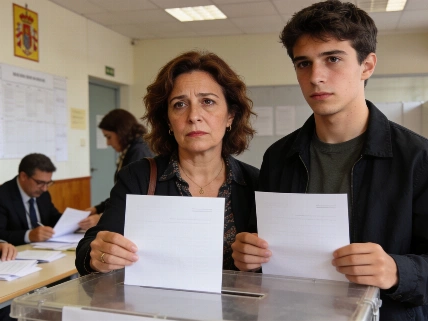
Abascal urged citizens to avoid postal voting and go to polling stations instead. He said a manual ballot is harder to alter. He also claimed that postal ballots pass through custody procedures that could permit irregularities. The interview published by ABC provides no evidence for that allegation.
One published election poll puts the PSOE at about 31 percent, 5.5 percentage points ahead of the PP. A separate estimate suggests that Vox could increase its representation to as many as 69 seats.
The dispute reaches beyond competing programmes. Abascal presents the vote as a test of democratic vigilance and tells voters not to react to government provocations. He warned against drawing simple conclusions from tragic events, referring to the death of Maricarmen and suggesting that the incident may carry a further political dimension. That suggestion remains unsubstantiated. The independent material reviewed contains no documentary evidence of a political connection.
His attacks on Sánchez also move past routine campaign criticism. Abascal said he has absolute distrust in the prime minister's morality. He claimed that the government has created a mafia and underground networks. He added that Sánchez could take any measure necessary to preserve his position. Independent reports confirming these remarks do not substantiate the allegations.
Vox believes it paid a price for excessive confidence in the 2023 election. Abascal is demanding stronger mobilisation and says he will work until November 29 to stop Sánchez from gathering enough support to continue governing. He describes another Sánchez government as damaging to Spain's interests. The early parliamentary election was called after Sánchez decided to dissolve parliament, and voting is scheduled for November 29, 2026.
Correos says postal ballots are handled through a traceable chain of custody. The operator states that envelopes carry barcodes, are transported separately and remain under control until they are delivered to the relevant electoral commission.
That goal puts the relationship with the PP at the centre of Vox's opposition strategy. Abascal says he maintains discreet conversations with Alberto Núñez Feijóo. He says both leaders share a similar diagnosis of the government, though their proposed remedies differ. Available reporting points to political proximity and possible post-election cooperation. It does not establish a specific agreement between them.
Vox points to agreements reached in four autonomous communities as evidence that it can negotiate with the PP. Abascal wants the popular party to end what he calls arrangements with socialist defectors and Islamists in Ceuta. He also opposes certain coalitions in the European Parliament. For a future joint government, he lists economic deregulation and “remigration” among the priorities. He also names national preference.
Housing gives the conflict its clearest domestic focus. Abascal blames Sánchez for the rise in evictions. He says purchase prices have increased by 74 percent and rents by 40 percent since Sánchez came to power. His proposal would expand public construction and private construction. He links pressure on housing to mass immigration. He also cites healthcare, social assistance and security.
Abascal's migration plan would remove people who entered Spain illegally. It would deport people who commit crimes. It would also return people who are legally present but do not work and live on benefits. He said each case would need individual examination. Abascal rejected the idea that Vox would privatise pensions and said they would be paid under any circumstances if his party entered government.
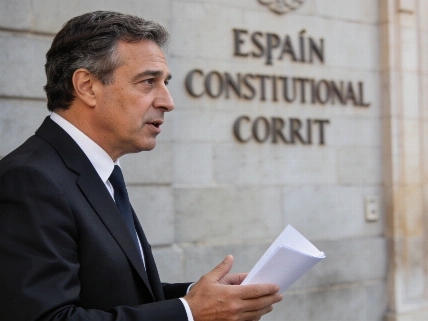
The interview returns to the amnesty law. Abascal criticises Sánchez for allegedly securing his investiture by granting amnesty to those responsible for the procés. He also attacks the PP over its role in renewing the Tribunal Constitucional. Abascal supports repealing everything Sánchez has done, even where the effects cannot be reversed.
Spain's postal-voting rules include formal identification and custody safeguards. Since 2023, voters submitting a ballot at a Correos office must show identification. The documents are processed as registered mail addressed to the relevant polling station. According to reporting by EFE, envelopes placed in ordinary postboxes are not counted as standard postal votes. They are transferred to the electoral commission for the relevant district.
Correos keeps the correspondence until election day and records incoming documents. It then delivers them to polling stations under the established procedure. Late-arriving items are sent to the Junta Electoral Central and destroyed in accordance with the rules. RTVE reported the operator's position that the process is secure and transparent. Those safeguards do not amount to evidence of the irregularities alleged by Abascal.
Abascal's campaign frame rests on distrust of Sánchez and pressure on the PP. He is also appealing to voters concerned about housing. His claims about postal voting remain political accusations rather than established findings. Available reporting does not provide documentary evidence for the alleged irregularities, and the vote is scheduled for November 29, 2026.