Authorities in Catalonia have confirmed four new cases of African swine fever in wild boar. The total number of infected animals since November 2025 has reached 379. Intensive monitoring and population control measures continue.
Four additional wild boar in Catalonia have tested positive for African swine fever (ASF) this week, pushing the total number of confirmed cases in the region to 379 since November 2025. The latest infections were identified in Barcelona city (two cases), Molins de Rei, and Esplugues de Llobregat, all within the designated high-risk zone. The Ministry of Agriculture, Fisheries and Food released these figures in its weekly update on Thursday.
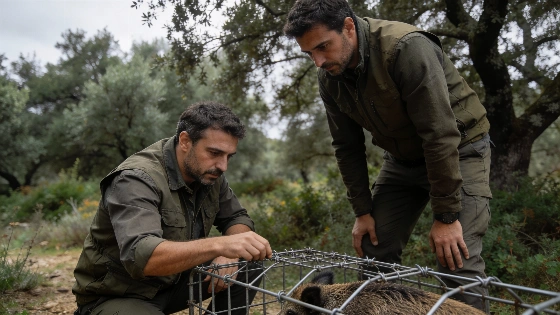
Since the initial outbreak, Catalan authorities have examined 11,029 wild boar, with 10,650 returning negative results. Notably, there have been no positive cases detected in domestic pigs to date. The regional government has emphasized that search operations for wild boar carcasses remain intensive, with efforts focused on reducing the wild boar population through trapping and targeted culling by trained rural agents and hunters.
Enhanced surveillance and strict biosecurity protocols are being maintained at pig farms and in wild boar populations, both in Catalonia and across Spain. The Generalitat has kept the Collserola park in Barcelona closed to the public, as this area was the site of the first detected cases and subsequent infections. Officials have stated their intention to eliminate all wild boar colonies in the affected zone to contain the spread.
ASF poses a significant threat to the pork industry, as the disease is highly contagious among swine but does not affect humans. The closure of Collserola park has disrupted recreational access for Barcelona residents, highlighting the broader impact of the outbreak. For context, Spain has faced other major environmental challenges in recent years, such as the severe wildfires that burned over 226,000 hectares in 2026, as reported in coverage of the record wildfire season.
ASF outbreaks in Europe have led to strict movement controls and trade restrictions in affected areas. In Spain, the authorities’ rapid response and ongoing monitoring are seen as crucial to preventing the disease from reaching commercial pig farms. The situation remains under close observation, with continued efforts to limit the spread and protect both animal health and the region’s agricultural economy.