A new generation of AI driven traffic radars is now monitoring overtaking violations on European roads. These advanced sensors, already active in Italy, automatically record illegal maneuvers and promise to reshape enforcement and driver behavior.
On the roads of southern Italy, drivers now face a new kind of watchful eye. AI powered radars are buried right in the asphalt, built to catch illegal overtaking with sharp accuracy. Calabria got the first batch. The SV3 system landed on the SS18 route in August 2025. It targets mountain switchbacks, blind curves, and spots where drivers can't see what's coming. Several European automotive publications confirmed these details.
This isn't just another speed camera. The SV3 system uses high resolution cameras, road sensors, and artificial intelligence. It knows when a car crosses a solid line or overtakes where it's not allowed. Every violation gets a 15 second video. That means clear proof for the police. There's little room to argue. According to Eleconomista and Caradisiac, SV3 focuses on catching solid line crossings and illegal overtaking. It doesn't try to spot every possible traffic offense.
The SV3 system automatically generates a video recording of approximately 15 seconds—covering the moments before, during, and after the detected violation.
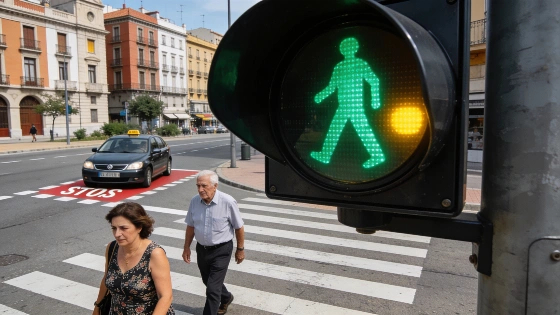
This tech raises the stakes for drivers. Spain and other countries already use AI to catch speeding, seatbelt, and phone violations. SV3 goes further. It can spot overtaking, illegal parking, forbidden turns, and even running red or amber lights. In Pamplona, similar systems already fine up to ten types of violations. But the Italian SV3 is the first to zero in on overtaking. Still, independent sources say only illegal overtaking and solid line crossings are reliably recorded by SV3. There's no official proof yet that it handles parking or red light offenses. Italian authorities and the manufacturer haven't published full specs.
Italian officials picked the most dangerous roads first. Mountain passes with bad visibility, blind corners, and long straight stretches where drivers take chances. The system records the car, the license plate, the lane, and the exact spot of the offense. This makes it easier to issue fines and gives police better evidence. But it's not all automatic. After the system flags a violation, it sends the full evidence to the police. Officers review everything before any fine goes out. Several European automotive news outlets have reported this process.
For drivers, the impact is immediate. Quick passes on solid lines or risky moves in blind spots are now much harder to get away with. The AI doesn't get tired. It doesn't blink. It doesn't miss. As more of the process goes digital, the old debate returns: is this about safety, or just raising money? According to published materials, fines for illegal overtaking in Italy range from €42 to €345, plus penalty points. The amount depends on the road and the situation. But these numbers come from non-official sources. Anyone checking the rules should look at the current Italian Highway Code for the final word.
Independent reports emphasize that the main argument for installing SV3 systems is the high risk of head-on collisions, especially on roads where overtaking across a solid line is common and motorcyclists are particularly vulnerable. So far, there is no confirmed data on the number of installed units, issued fines, or measurable impact on accident rates, as the Calabria deployment remains a pilot project.
Spain is watching what happens next. If the Italian trial works, similar radars could show up on Spanish roads, especially in risky spots. The direction is clear. As AI gets built into public infrastructure, drivers have less room for mistakes or bending the rules. This is part of a bigger shift across Europe. Even weather alerts, like those reported earlier in Granada, are now managed by smart systems. Still, there's no solid proof that Spanish systems, including those in Pamplona, use the same SV3 tech or identical sensors and algorithms. The IREX platform, for example, can be set up to detect overtaking, but there's no evidence it's linked to the Italian SV3.
One thing is certain. These new radars will change how people drive. The real question is whether the promised safety gains will outweigh worries about privacy and the feeling that every move is tracked. For now, Calabria sends a clear signal. AI traffic enforcement is here. The rules are changing fast.