Google is rolling out a new Android feature that lets users save the location of items like passports or keys in Find Hub without any physical tracker. The update, arriving with Android 16, relies on user input and optional photos to keep track of where valuables are stored.
It’s easy to lose track of a passport or spare keys, and finding them at the wrong moment can throw off your plans. Google is now offering Android users a way to keep tabs on these essentials—no Bluetooth tags or smart gadgets needed.
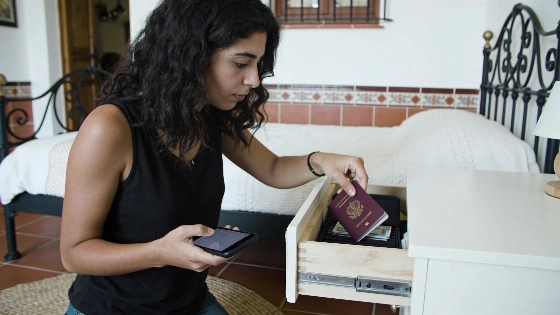
With Android 16 and newer, you’ll be able to save the location of any important item directly in Find Hub. The setup is straightforward: tell Gemini where you put the item, add a photo if you want, and the details are saved to your account. When you need to find your passport or that spare key, you can ask Gemini or check the remembered objects tab to see where you last logged it. Google says this feature will arrive as part of the September 2026 Android Drop, built into the main Android update rather than a separate app or device.
Independent tech outlets confirm that the new 'Remembered items' feature requires Android 16 or newer, and is only available in countries where both Gemini and Find Hub are supported.
Android Authority
This is a different approach from Apple AirTags and similar trackers. There’s nothing to attach, no batteries to swap, and no risk of losing a tag. Instead, you’re relying on your own memory, just digitized and tied to your Google account. The tradeoff: the location won’t update on its own. If someone moves your passport and you don’t update Find Hub, the app will still show the old spot. As Ars Technica points out, this isn’t real-time tracking—if the item moves, you have to update its location yourself.
To use the feature, you’ll need Android 16 or later, active sessions in both Find Hub and Gemini, and both services available in your country. Google hasn’t set a single launch date, instead rolling out the update gradually as part of the September Android Drop. When you get it will depend on your device, manufacturer, and region.
For things that rarely move—like backup documents or keys in a specific drawer—this digital memory could be genuinely useful. But for anything that changes location often, the manual update requirement is a clear limitation. It’s best for people who want a simple way to remember where they last put something, without buying extra hardware.
Previously, Find Hub was primarily used for locating phones, earbuds, and Bluetooth tags. The new update expands its capabilities, allowing users to manually save the location of any item—even those without a physical tracker—directly within the app.
Ars Technica
More than object memory
The September Android Drop brings other updates as well. Motion Assist, coming to Android 17, is designed to help reduce motion sickness for passengers using their phones in moving vehicles. It overlays moving bubbles on the screen to help your brain adjust, though Google notes it may not work for everyone and shouldn’t be used by drivers.
Guided vision is another addition. It lets users share their camera feed with Gemini Live to get spoken descriptions of text, menus, or objects in view. Developed with input from blind and low-vision communities, it will be available on devices running Android 9 or later. Google says Guided vision isn’t a replacement for mobility aids or obstacle detection.
Google Messages is also getting new features. You’ll be able to create and edit shopping lists or travel notes in Google Keep without leaving a chat. There’s also a new Chat theme option for personalizing backgrounds and colors in each conversation, visible only to the user who sets them.
Google is adding more AI-powered convenience to Android, but is careful to present these as helpful tools, not substitutes for real-time tracking or professional accessibility devices. The digital memory for objects is practical for forgetful moments, but only as reliable as the updates you make. Even with smart devices, remembering to update the list is still up to you.