The Generalitat de Cataluña will not participate in nationwide rallies for Ceuta. The decision highlights political rifts as PP and Vox push for mass turnout. The crisis exposes divisions over migration and solidarity measures.
The Generalitat de Cataluña has formally declined to take part in the solidarity rallies for Ceuta scheduled across Spain this Wednesday. The move, announced after the Consell Executiu, underscores a widening political divide as the crisis in Ceuta continues to spark controversy over migration policy and the role of regional governments. While the Federación Española de Municipios y Provincias (FEMP) called for demonstrations outside town halls to show support for the autonomous city, Catalonia’s executive insists that the situation demands practical solutions, not political confrontation.
Government spokesperson Sílvia Paneque stated that members of the Catalan cabinet will not attend the rallies, arguing that genuine support for Ceuta should be expressed through concrete actions such as providing healthcare and shelter for migrants. Paneque criticized attempts by PP and Vox to politicize the crisis, calling such moves irresponsible and warning against using migration as a tool for agitation. The rallies, set for 20:00 on the Día de Ceuta, were announced by FEMP president and Jerez de la Frontera mayor María José García-Pelayo (PP), but the initiative was not coordinated with all federation members, revealing further fractures among Spain’s political forces.
In Catalonia, the Federación de Municipios de Cataluña (FMC), which is part of the FEMP, has not taken an official stance on the rallies. Meanwhile, PP and Vox remain the only parties actively urging participation in the region. Juan Fernández, secretary general of the Catalan PP, accused President Salvador Illa of undermining the mobilization and called for maximum turnout to fill public squares. Badalona’s mayor, Xavier Garcia Albiol, has already confirmed his attendance, while Vox frames the rallies as a protest against what it calls border chaos. Both parties also oppose the idea of Catalonia accepting unaccompanied minors from Ceuta, with Fernández claiming the region has reached its limit and Vox’s Joan Garriga rejecting any quota system.
Despite the political standoff, the Catalan government maintains its willingness to host minors arriving from Ceuta, provided the central government supplies adequate financial and human resources to ensure proper integration. Paneque emphasized that no specific numbers have been set, but reiterated the Generalitat’s commitment to collaborate with Madrid. The Comuns party also supports welcoming minors and has criticized ERC leader Oriol Junqueras for suggesting that Catalonia’s capacity is not unlimited, arguing that the number of minors involved is negligible compared to the region’s population.
The FEMP’s call for rallies has not only exposed divisions in Catalonia but also in other regions, with some PSOE and IU-led municipalities organizing alternative events to express solidarity with Ceuta outside the framework of the national federation. As noted in a recent analysis by russpain.com, the Ceuta crisis has become a flashpoint for broader debates on migration, solidarity, and the limits of regional responsibility in Spain. The ongoing dispute highlights the challenges of coordinating national responses in a politically fragmented landscape, especially as migration pressures continue to test the country’s social and political cohesion.
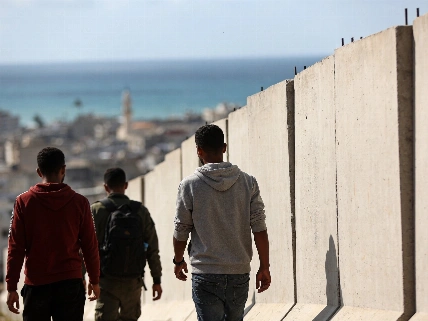
Ceuta, a Spanish enclave on the North African coast, has long been a focal point for migration flows from Morocco and beyond. The city’s unique status and geographic location make it a sensitive issue for both local and national authorities. The current crisis has reignited debates over resource allocation, the distribution of unaccompanied minors, and the responsibilities of autonomous communities. As the situation evolves, the response of regional governments like Catalonia’s will remain under close scrutiny, with implications for Spain’s broader approach to migration and intergovernmental cooperation.