Ceuta faces rising friction as local patrols confront migrants in several neighborhoods. Residents block streets and coordinate via WhatsApp, raising concerns about violence and legality. Police intervene to prevent escalation.
Ceuta is experiencing a surge in neighborhood patrols as residents organize to block migrants from entering certain districts. In recent days, groups have set up makeshift barriers and maintained round-the-clock watches, particularly in areas like Postigo, Los Rosales, and Benítez. The situation escalated after thousands of migrants crossed into the city at the end of July, with official estimates suggesting that between 2,000 and 6,000 remain in Ceuta, despite most having already left.
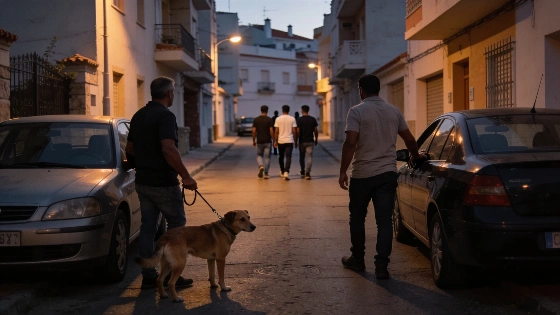
Incidents of confrontation have been reported, including one involving Sandra López, secretary of Institutional Policy for the PSOE in Ceuta. While walking her dog near the shooting range, López encountered a group of migrants seeking directions to Benzú. One, named Adil, refused to pass through Postigo, showing her injuries he claimed were inflicted by locals in that area. López documented the wounds but Adil declined to report the assault, fearing detention and expulsion. The group instead took a longer route to avoid further conflict.
At the entrance to Postigo, López observed several vehicles blocking the road and residents standing guard, some visibly armed with objects like baseball bats. Similar scenes have unfolded in other neighborhoods, where residents allege migrants have entered homes, stolen belongings, and caused disturbances. These patrols, however, have not limited their actions to their own streets. According to EL PAÍS, coordination occurs through WhatsApp groups, where participants share photos and videos of migrants hiding in remote areas and organize night searches to locate and expel them.
Messages exchanged in these groups reveal a deliberate effort to avoid police detection and legal consequences. Participants advise each other not to record their actions and to conceal identifying features such as tattoos. Some messages reference military patrols being restricted from intervening, prompting civilians to take matters into their own hands. When police are alerted to the presence of masked, armed civilians, operations are quickly disbanded to avoid sanctions, and no arrests have been reported so far.
The political response has been mixed. Vox has publicly defended the right of Ceuta residents to self-defense, with its spokesperson for Security and Immigration, Samuel Vázquez, stating that people have the right to protect their families by any means necessary. However, attempts by far-right groups and activists from outside Ceuta to join these patrols have been rebuffed by both police and local demonstrators. The city’s complex social fabric, with over 40% Muslim population, has resisted external attempts to inflame tensions, and most residents reject violence as a solution.
For additional context on the challenges faced by Ceuta during recent migrant surges and the response of Spanish authorities, see this analysis of border security and official investigations: how Spain’s National Court addressed the influx at Ceuta’s border.
Ceuta’s situation highlights the ongoing strain on local communities and authorities as they navigate the aftermath of mass arrivals. The city’s unique demographic mix and geographic position at the edge of Europe make it a focal point for migration debates and security concerns. While most migrants have moved on, those remaining face precarious conditions, often avoiding both police and hostile patrols. The authorities continue to monitor the situation closely, aiming to prevent further escalation and maintain public order.