Conor McGregor steps back into the octagon in Las Vegas after five years away. His return is marked by legal battles, political controversy, and questions about his place in the sport. The UFC’s commercial interests remain undiminished.
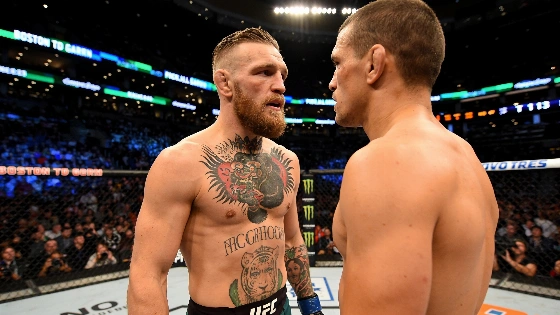
Conor McGregor is set to make his long-awaited return to the UFC this Saturday in Las Vegas, stepping into the T-Mobile Arena for his first fight since 2021. The Irish fighter, now 37, faces Max Holloway in a rematch that has generated intense attention, not only for its sporting implications but also for the broader controversies surrounding McGregor’s public image and legal history.
McGregor’s comeback comes after a prolonged absence due to a severe leg injury suffered in his last bout, which required extensive recovery. Reports, including those from the New York Times, have raised questions about the use of performance-enhancing drugs during his rehabilitation. Despite these concerns, the UFC has positioned McGregor’s return as a major commercial event, with expectations that the gate will surpass the company’s previous record of $21,892,245. The weigh-ins, broadcast on CBS, and the partnership with Paramount+ underline the scale of the promotion.
However, McGregor’s reputation in Ireland and internationally has shifted dramatically since his rise to stardom. Once celebrated for his charisma and athletic achievements, including a 13-second knockout of Jose Aldo to claim the UFC featherweight title in 2015, McGregor has faced a series of legal and personal challenges. During his hiatus, he was found liable in a civil jury trial for the rape of Nikita Hand in 2018, a case that has deeply affected his standing in Ireland. His political statements, echoing hardline immigration policies and endorsements from figures such as Tucker Carlson and Elon Musk, have further alienated segments of the Irish public and drawn condemnation from the Irish government. Prime Minister Micheál Martin publicly rejected McGregor’s remarks made during a St Patrick’s Day visit to the White House in 2025, emphasizing that they did not reflect the values of Ireland.
Despite these setbacks, McGregor has remained defiant, insisting that he is not seeking to regain public approval. His brief foray into Irish politics, including a short-lived presidential campaign, failed to gain traction, with polls indicating minimal support among voters. Nevertheless, McGregor’s commercial appeal for the UFC remains strong. The organization has consistently prioritized marketability over controversy, and McGregor continues to be its most bankable star, capable of drawing global attention regardless of his recent record in the octagon.
The upcoming fight against Max Holloway is not just a sporting event but a reflection of the UFC’s willingness to embrace spectacle and controversy. As highlighted in a recent report on the official weigh-in, both fighters successfully made weight, setting the stage for a high-profile main event. The UFC’s approach underscores its focus on audience engagement and financial success, even as questions persist about the ethical dimensions of promoting athletes with troubled histories.
McGregor’s journey from a promising talent in Dublin to a global sports icon has been marked by both extraordinary achievements and significant personal and legal challenges. His rapid ascent included a lucrative boxing match against Floyd Mayweather in 2017 and a string of headline UFC events that brought the sport into the mainstream. Yet, the contrast between his early promise and his current status is stark. The UFC, for its part, is not asking fans to believe that McGregor is the same force who once transformed the promotion. Instead, it is banking on the enduring curiosity and spectacle that his presence generates, regardless of the outcome in the cage.
For Spain, where mixed martial arts has seen steady growth in recent years, McGregor’s return is likely to draw significant interest among fans and sports media. The UFC’s expanding global reach, including partnerships with European broadcasters, has made such events increasingly accessible to Spanish audiences. While the focus remains on Las Vegas, the broader implications of McGregor’s comeback—both for the sport and for the ongoing debate about the responsibilities of public figures—are being closely watched across Europe.