A couple has been jailed in Zaragoza after the violent deaths of two prominent rural activists. Investigators focus on surveillance footage and the daughter's mental health. The case has unsettled the local community and unions.
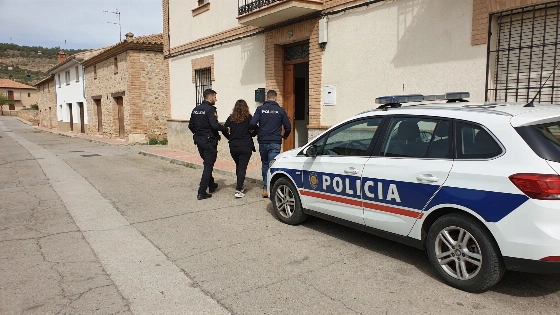
The investigation into the deaths of Javier Sánchez and Esther Latorre in Tauste has led to the arrest and imprisonment of their daughter Carlota and her partner, Luis Carlos Rivera. The couple was detained in Zaragoza after authorities gathered evidence, including surveillance footage and mobile phone data, placing them in the village during the critical hours. The victims, both respected figures in Aragón’s agricultural and activist circles, were found dead from knife wounds in their home, sparking widespread shock among those who knew them.
Suspicion quickly fell on Carlota after her reaction to the news of her parents’ deaths raised concerns among relatives. When informed by family members, she gave unclear explanations for missing a family meal and appeared with visible injuries. She later sought medical attention, reportedly on a relative’s advice. The following day, both she and Rivera were arrested on suspicion of involvement in the killings. The investigation suggests a violent struggle may have occurred, with Carlota’s injuries possibly resulting from a confrontation during the incident.
According to police findings, the deaths likely occurred in the early hours of Saturday, 8 August. The bodies were discovered by a family member after the couple failed to attend a planned birthday lunch. Surveillance cameras captured Carlota and Rivera arriving in Tauste on Friday afternoon and leaving the next morning. While their presence in the village was not unusual, investigators consider the timing and their movements significant. Defense lawyers argue that neither the footage nor mobile data definitively places them at the crime scene, and emphasize that the case remains at an early stage.
The mental health of Carlota, who reportedly suffers from schizophrenia, is expected to play a central role in determining her legal responsibility. During the initial court hearing in Ejea de los Caballeros, both suspects remained silent as the judge reviewed a 300-page case file before ordering their provisional detention. The couple will be represented by separate lawyers due to potential conflicts of interest.
Family and friends describe Javier and Esther as deeply committed to social causes, with a history of supporting their daughter despite longstanding personal challenges. The couple had provided Carlota and Rivera with an apartment in Zaragoza and had helped Rivera with his legal status and employment. Their relationship with the accused had reportedly stabilized in recent months, and the family often spent time together at their rural property in Tauste.
In the days leading up to the crime, the family hosted friends for dinner, with Carlota and Rivera present. While the evening appeared uneventful, some guests later recalled subtle signs of tension. The community paid tribute to the victims, highlighting their activism and dedication to equality and rural rights. Esther was remembered for her feminist advocacy and volunteer work with migrant children, while Javier was praised for his negotiating skills and international efforts on behalf of farmers.
The case has drawn attention not only for its brutality but also for the complex family dynamics and the role of mental health. Investigators are also examining whether Carlota’s recent announcement of her pregnancy may have contributed to the events. The tragedy has left the local community and activist networks in shock, as they await further developments in the judicial process.
While the Tauste case has dominated headlines, concerns about safety and social tensions in Spanish communities remain a topic of public debate. For example, recent reports have highlighted issues such as the lack of shade and security in Madrid’s playgrounds, as discussed in a recent analysis of urban challenges in the capital. Both incidents underscore the ongoing need for vigilance and support in local communities across Spain.
Spain’s legal system allows for up to 72 hours of detention before suspects must appear before a judge, a period investigators used to gather evidence in this case. The outcome of the trial will likely depend on forensic findings, witness testimony, and the assessment of Carlota’s mental state. The case has also highlighted the importance of community support structures and the challenges faced by families dealing with mental illness. As the investigation continues, the region remains focused on the search for answers and justice.