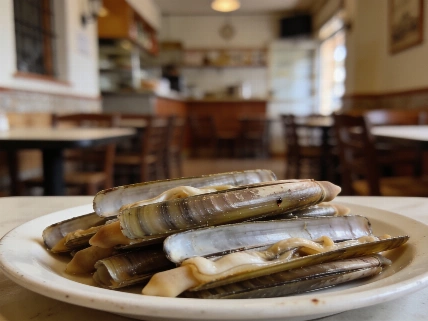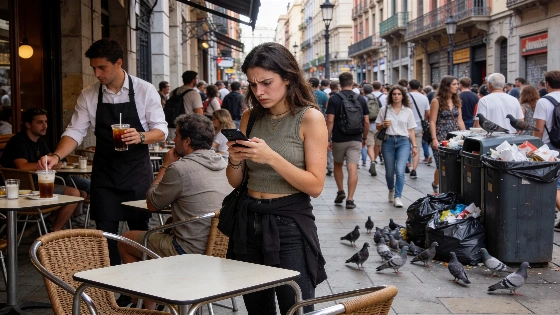
Desigual’s latest ad campaign has put the Barcelona-based fashion brand at the center of a heated local debate. The video, intended as a satirical take on city life, instead drew backlash for highlighting issues many residents say shape daily life, including unchecked tourism and gentrification.
Released on September 1, 2026, the ad was a collaboration with Berlin’s Ottolinger and appeared on social media. Many saw it as making light of real problems, rather than promoting the city. El Periódico reported that the campaign’s tone struck many as out of touch, with locals upset that Desigual was downplaying serious challenges.
In July 2026, foreign tourists' spending in Catalonia reached a record high, surpassing 3.7 billion euros, while average trip expenses exceeded 1,500 euros.
Social media quickly filled with criticism. on Instagram, users accused Desigual of trivializing the impact of mass tourism and the loss of local businesses. Some pointed to the irony of a Barcelona-based company seeming disconnected from problems it had helped fuel. The backlash spread to X (formerly Twitter), where a post calling out Desigual’s "humorless satire" on gentrification and tourism drew 1,800 views. Searches for Desigual spiked on YouTube and Google Trends, especially in Catalonia, as the controversy grew. El Nacional noted that the surge in online interest showed how quickly the story spread across the region.
Desigual responded in the comments, admitting that its attempt at irony had missed the mark. The company said it aimed for humor but failed to respect the concerns of Barcelona’s residents. In a press release, Desigual cited its four decades in the city and its support for local culture, but did not say whether it would take down the video. Information from Consumidor Global, Desigual acknowledged that "this was not the place for irony" and said it wants to support the local creative scene.
The reaction to Desigual’s campaign reflects wider tensions in Spanish cities grappling with mass tourism and rising living costs. Similar debates have played out elsewhere, as seen in recent coverage of changes in Madrid’s neighborhoods. In Barcelona, the clash between global brands and local identity is especially sharp, and residents are increasingly outspoken about changes in their city.
Independent reported that Barcelona hosted 9.68 million tourists between January and July 2026, a 6.2% increase from the previous year, generating an economic impact of 6.781 billion euros. The city is also considering a complete halt to new short-term rental licenses by 2028 to address overtourism.
Desigual’s campaign shows how brands can misread the mood in their own hometowns. The company apologized, but leaving the video online has not fully addressed the criticism. In a city where overtourism and gentrification are daily concerns, satire can easily come across as insensitive. For Barcelona, the episode is a reminder that even local brands face public pushback when they touch on unresolved issues.