Feijóo wants Europe to strengthen Ceuta's role at the border. He is calling for permanent Frontex support and faster returns after the July 30 to 31 crisis.
Feijóo has put Ceuta at the centre of a European security dispute. He wants a permanent, visible Frontex presence at the city's border.
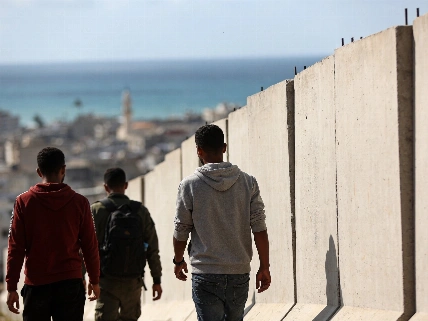
During a visit with Manfred Weber and Juan Jesús Vivas, he called for the immediate return of people who entered irregularly. He also urged Brussels to defend the Spanish status of Ceuta and Melilla. His proposal includes priority access to European funds and a financing model similar to the one used for the outermost regions.
The PP leader's message goes beyond migration policy. He described the July 30 to 31 crisis as a Spanish security crisis with direct European consequences. He said the response must stop a repeat of the events, not deal only with what happened afterward.
European Parliament materials say that 141 people died at sea in connection with the events of July 30–31, 2026. The figures were cited in the Parliament’s call for stronger protection of the EU’s external borders and fuller use of emergency European support.
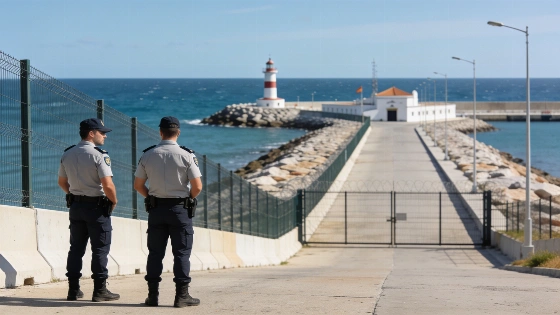
One of the requested measures is European funding to extend the Tarajal breakwater. Feijóo also wants Frontex to keep a continuous operational presence and is seeking stronger European financing for Ceuta.
His proposed special status for Ceuta and Melilla would give both cities priority when European funds are distributed. The European Parliament has already urged Spain to make full use of emergency funding and operational support from EU agencies. That gives institutional backing to the PP's call for a dedicated financing framework.
Feijóo backed the European Commission's idea of an emergency mechanism that could trigger immediate returns for people who enter a European state. He linked that mechanism to a stronger European response when a member state comes under attack.
Reports on his meeting with Migration Commissioner Magnus Brunner said Feijóo asked the Commission to mediate with Morocco. His aim was to speed up the return of people who crossed the border during the July 30 to 31 crisis. He also invited Brunner to visit Ceuta.
Feijóo accused the Spanish Government of failing at every stage of the crisis. He pointed to the lack of prevention despite earlier warnings and precedents. He also criticised the decision to minimise the situation, the delay in producing what he called a rapid response and the later attempt to shift blame elsewhere.
The Spanish Interior Ministry's public position gives a different picture. It confirms that cooperation with Frontex is already under way, rather than absent altogether.
Frontex is already operating in the area through Operation Minerva, which covers the ports of Algeciras, Ceuta and Tarifa. Spanish government statements reported by the media said the operation was being extended until the end of December, making Feijóo’s demand specifically about a permanent and visible presence rather than the creation of an entirely new mission.
He defended Juan Jesús Vivas against attacks from the Government. Feijóo presented the president of Ceuta as someone who had understood the danger from the start.
Feijóo also thanked Manfred Weber for travelling to the city. The president of the European People's Party said that 22 European states had opposed the Government's migration policy. He repeated that Ceuta is Spain and Europe.
The PP has pursued a tougher position on Ceuta at European level. Right-wing and far-right forces have increased pressure over the city and Morocco. The party has also backed a tougher formulation on Ceuta in the European Parliament. Earlier initiatives in Spain's Congress and Senate have called for a stronger border, including a Frontex presence.
Vivas said the Government had failed to meet its constitutional duty to protect Ceuta's territorial integrity and the safety of its residents.
Feijóo expressed solidarity with victims of an assault in the city, including an Assembly deputy. He also supported military personnel who had been attacked in previous days. He said no political cause or protest can justify violence in a democracy.
Feijóo said the July 30 to 31 incursion would bring a social, economic, political and psychological cost. That assessment points to the purpose of his demands.
Frontex would not be treated only as a migration agency. In the PP's proposal, it would form part of Europe's security system. The party's position is direct: Ceuta should receive stronger protection, more funding and diplomatic backing.
Feijóo has also linked the crisis to what he describes as a hybrid war by Morocco. The European Commission's support for a tougher European response does not mean automatic backing for every PP demand.
Brussels and Madrid have not accepted the full approach. Still, the European Parliament's resolution, the existing Frontex operation and earlier parliamentary initiatives in Spain have made the dispute impossible to treat as a purely local issue.