The EU, Spain, UK and Gibraltar have agreed on new rules for cross-border workers. Spanish residents gain equal work rights in Gibraltar, but housing access remains restricted. The deal aims to protect local residents and reshape border controls.
Spanish cross-border workers will continue to face restrictions on accessing housing in Gibraltar, despite a new agreement between the European Union, Spain, the United Kingdom and Gibraltar that otherwise guarantees equal treatment in employment. The deal, set to be signed in Brussels on July 14, introduces a clear exception: while Spanish residents working in Gibraltar will have the same rights as locals in most areas, the right to housing remains off-limits. This carve-out, detailed in Article 292.3c of the treaty, allows Gibraltar to prioritize its own residents for housing, a move justified as a safeguard for the territory’s limited space.
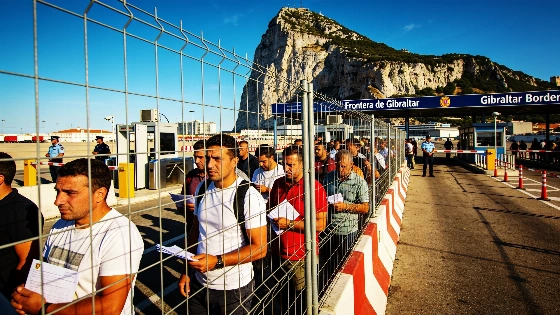
The agreement, which comes after more than five years of complex negotiations following Brexit, outlines that EU citizens legally residing in Spain—primarily those from the Campo de Gibraltar—can work in Gibraltar under the same conditions as British nationals. In return, UK nationals living in Gibraltar will have reciprocal rights to work in Spain. However, the housing restriction stands out as the only area where full equality is not granted, reflecting Gibraltar’s longstanding concerns over its 6.8 square kilometer territory and the pressure on local housing stock.
Under the new rules, Spanish cross-border workers will benefit from equal treatment in employment, pay, and social and fiscal advantages, but not in housing. The treaty’s text specifies that only those registered as Gibraltarians, or with permanent residency and at least one year of residence, are eligible for government housing. Applicants must also be over 18, citizens of British Overseas Territories, and not own property in Gibraltar. This approach mirrors measures seen elsewhere in Spain, such as Catalonia’s recent efforts to limit speculative housing purchases to protect local residents—a topic previously explored in coverage of Catalonia’s housing restrictions.
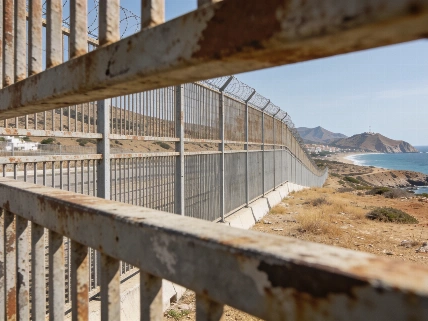
The treaty also brings significant changes to border management. The historic fence separating Gibraltar from La Línea de la Concepción is set to be removed, creating a new land area for free movement and aiming to ease daily crossings for thousands of workers and residents. Mixed controls will be introduced at Gibraltar’s port and airport to balance Schengen requirements with security needs. These mechanisms will be closely monitored in the initial years, given their novelty and sensitivity.
The official signing ceremony in Brussels will include representatives from the European Commission, the UK government, Spain, and Gibraltar. Maros Sefcovic is expected to sign for the EU, with Spain’s Foreign Minister José Manuel Albares and Gibraltar’s Chief Minister Fabian Picardo also attending. The agreement has drawn criticism from some Spanish political parties, notably the Partido Popular and Vox, over transparency and the lack of a parliamentary vote. Supporters argue it is the best possible outcome post-Brexit and note that it does not alter the historic positions of Spain and the UK regarding Gibraltar’s sovereignty. A review clause allows for the treaty’s reassessment after four years, with the possibility of amendments or withdrawal if necessary.
Gibraltar’s housing policy remains a contentious issue, shaped by its small size and high demand. The new treaty formalizes a national priority for residents, ensuring that while cross-border workers gain many rights, access to housing will continue to be tightly controlled. This reflects broader trends in Spain and Europe, where local authorities seek to balance open labor markets with protections for resident populations.