A Madrid court has summoned the Gregorio Marañón geriatrics chief as an official suspect. The case centers on controversial pandemic protocols linked to care home deaths. Several high-profile officials are now under investigation.
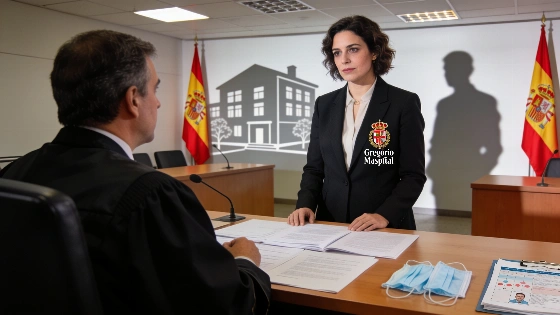
The head of geriatrics at Madrid's Gregorio Marañón Hospital, María Teresa Vidán Astiz, has been formally named as a suspect in the ongoing investigation into the so-called 'protocolos de la vergüenza'—the controversial measures applied in care homes during the COVID-19 pandemic. The court in Arganda del Rey summoned Vidán Astiz after Carlos Mur, a key figure in the case, identified her as the person who initially presented the protocols that restricted hospital transfers for elderly residents.
This judicial move comes as part of a broader inquiry into the deaths of care home residents across the Community of Madrid. Multiple courts are handling related cases, despite requests from victims' families to consolidate the proceedings. The protocols in question, signed by Carlos Mur—then director of Coordinación Sociosanitaria under Isabel Díaz Ayuso—have been at the center of public and legal scrutiny since their implementation.
During his testimony, Mur stated that the document was first introduced by an experienced geriatrician, referring to Vidán Astiz. He described his own role as providing technical endorsement and validation for the protocol, which has since become a focal point in the investigation. Vidán Astiz is now among several officials facing legal action, including Mur himself, Francisco Javier Martínez Peromingo—considered the main architect of the protocols—and Pablo Busca, head of the SUMMA 112 emergency service. Antonio Burgueño, who advised Ayuso at the time, is also under investigation in a related case.
The association Marea de Residencias has expanded its legal complaints, now accusing up to 60 courts in Madrid of prevarication in addition to discriminatory denial of medical care. This aspect is seen as crucial by families of the victims and is currently under judicial review. The latest legal developments involve the Madrid Court of Appeal's decision to reject appeals from Mur and Martínez Peromingo, clearing the way for further investigation into their roles during the crisis in care homes.
These events highlight the ongoing legal and political fallout from the management of elderly care during the pandemic in Madrid. The protocols, which limited hospital access for care home residents, have sparked widespread debate about accountability and the responsibilities of public officials. For context, recent high-profile events involving public figures and institutional decisions—such as the appearance of Princess Elisabeth at a state banquet with Japanese royalty, covered in detail here—demonstrate the continued public interest in how authorities handle moments of crisis and transition.
Spain's legal system allows for individual courts to pursue parallel investigations, which can complicate efforts to unify cases with similar facts. The outcome of these proceedings may set important precedents for future public health emergencies and the legal responsibilities of healthcare leaders. The case also underscores the challenges faced by families seeking justice and clarity in the aftermath of the pandemic's most controversial decisions.