Can You Park a Car and Motorcycle in One Parking Space: What Is Actually Allowed. Owners of parking spaces often try to park both a car and a motorcycle on a single spot. However, such practices are not always legal and may lead to conflicts with neighbors. We explain what the law allows and how to avoid losing your parking space.
Trying to park both a car and a motorcycle in a single space in a residential complex may seem like a logical way to save space and money. But in practice, this approach often leads to disputes between neighbors and can have serious consequences for the owner.
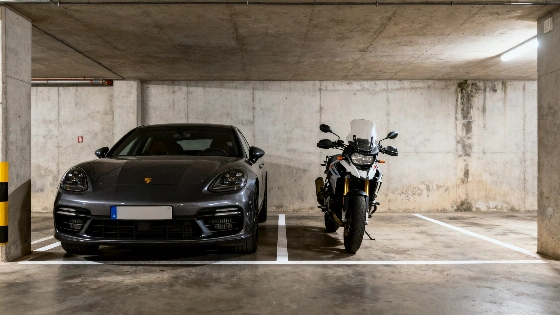
The main rule: both vehicles must fit entirely within the designated parking spot. The boundary lines are not just a formality, but a strict limit one cannot cross. If even part of the car or the motorcycle extends into a neighbor's space or blocks access, this is already a violation.
What the law says
The Spanish Ley de Propiedad Horizontal and the internal rules of each specific comunidad strictly regulate the use of common areas. Even if both vehicles technically fit, it is important to check that the building's bylaws do not prohibit placing two vehicles in one parking spot. Some buildings specify: one space — one car. Others allow more, provided neighbors' rights are not violated.
If the rules are broken, neighbors have the right to contact the president or administrator. Usually, an oral or written warning comes first. If the owner ignores these remarks, the issue is raised at a residents' meeting, and then — if necessary — in court. For proceedings, evidence is needed: photos, videos, witness statements.
Possible consequences
If the matter goes to court, the violator may be ordered to pay compensation for the inconvenience caused or even temporarily lose the right to use the parking space—for up to three years. This is stipulated by the Ley de Propiedad Horizontal and is applied if the owner's actions disturb other residents or create a danger.
Internal rules take precedence over space
Even if your parking space is large enough for two vehicles, the rules adopted at the owners' meeting are decisive. If the bylaws prohibit it, you will have to comply. Before parking a second vehicle, carefully review the documents and, if necessary, discuss the matter with the building administration.
Special case: electric vehicles
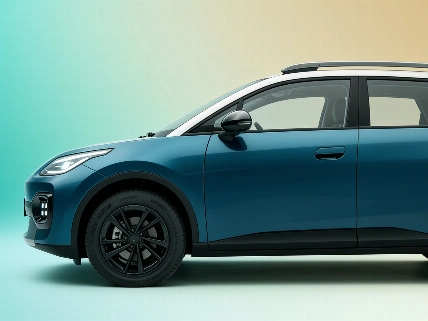
Separate regulations apply to electric vehicle owners. Installing a charging station does not require the consent of all neighbors, but the owner must notify the community in advance and fully cover the installation and electricity costs. This rule is intended to make the transition to eco-friendly transport easier, but does not exempt you from complying with the general parking rules.
Ultimately, trying to save space and money may lead to conflicts and even the loss of your parking rights. Before making a decision, it's important not only to consider the size of the area but also to carefully study your building's internal rules.