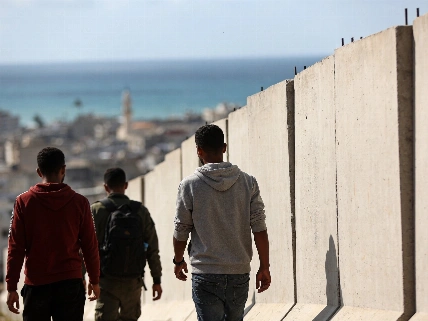
From August 1, 2026, Italy has reintroduced border checks for passengers arriving from Spain by air or sea. The move, linked to recent migration events in Ceuta, requires travelers to carry valid identification and, for non-EU citizens, proof of legal stay in Schengen.
Travelers landing in Italy from Spain are now facing renewed border checks at airports and ports, following a decision by Italian authorities to temporarily restore internal Schengen controls. The measure, which began on August 1, 2026, comes in response to increased migration pressures after recent events in Ceuta and concerns over secondary movements of non-EU nationals within Europe.
Border police at Rome-Fiumicino, Milan-Malpensa, and Milan-Linate airports have started selective document inspections for passengers arriving from Spain. These checks also extend to maritime routes, meaning ferry passengers are equally affected. While flights and ferries continue to operate as usual, all travelers should be prepared for possible document verification upon arrival.
Who Is Affected
EU citizens, including Spaniards, retain their right to free movement but must show a valid national ID card or passport if requested. For minors, a personal identity document is required. Non-EU travelers face stricter scrutiny: they must present a valid passport and, depending on their status, a visa, residence permit, or long-term stay authorization. Italian authorities are focusing these checks primarily on non-EU nationals to ensure compliance with Schengen rules.
Why the Controls Are Temporary
Italy's move does not signal Spain's exclusion from the Schengen Area. Instead, it is a temporary reintroduction of border controls, permitted under Schengen rules when a serious threat to public order or internal security arises. The European Commission has approved the measure until September 1, 2026, citing the risk of irregular secondary movements following the Ceuta crisis. The official notification and details are available in the European Commission's registry of temporary border controls.
Under current EU law, such controls can be imposed for up to one month in urgent situations, with a maximum extension of three months if justified. As of now, there is no indication that Italy will extend the checks beyond the initial period.
What Documents Are Required
Spanish citizens traveling to Italy must carry a valid DNI or passport and be ready to present it to border officers. Driving licenses or bank cards are not accepted as travel documents. Non-EU nationals must have a valid passport and, where applicable, supporting documents proving their legal right to stay in the Schengen Area. This may include a visa, residence card, or long-term permit, depending on individual circumstances.
It is important to note that these checks are separate from the Entry/Exit System (EES), which records biometric and travel data for non-EU nationals crossing Schengen's external borders. The current Italian controls apply only to internal Schengen routes from Spain, not to external border crossings. The EES has been fully operational since April 10, 2026, according to the European Commission.
Travelers experiencing delays or cancellations due to these checks retain their rights under EU passenger protection rules, including assistance and compensation where applicable.
Political Context and Next Steps
The decision to restore border checks follows tensions among EU member states over migration management. On August 4, 2026, EU interior ministers held an informal video conference to discuss the situation in Ceuta and broader migration challenges. Italy and Denmark, backed by 22 European leaders, have called for coordinated action on external border control, returns, and combating human trafficking networks.
Italian authorities describe the current controls as a preventive measure, mainly targeting non-EU nationals to verify their legal status within Schengen. EU citizens can pass through by showing their ID, while non-EU travelers must provide additional documentation. Until further notice, the controls are set to end on September 1, 2026, but travelers are advised to check requirements before departure and keep documents accessible throughout their journey.
For additional context, the Schengen Area allows for temporary border controls in exceptional circumstances, but such measures are intended to be limited in scope and duration. The current situation highlights ongoing debates within the EU about balancing free movement with security and migration management.