King Felipe has publicly thanked Ceuta’s civil servants and volunteers for their work during the July border breach. His comments highlight the city’s response and the ongoing delay of his official visit.
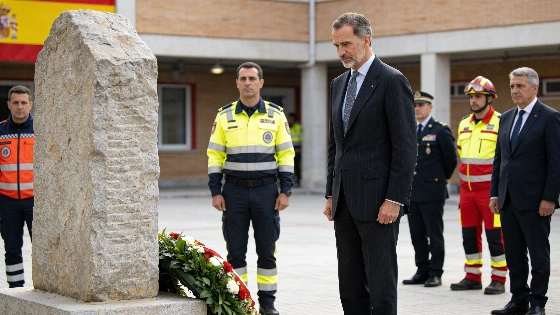
King Felipe has spoken publicly for the first time about Ceuta’s border crisis, praising the city’s emergency workers and volunteers for their response to the July mass crossing. At the National School of Civil Protection in Rivas-Vaciamadrid, he described the situation as "extraordinarily complex" and singled out Ceuta’s teams for their coordination and commitment.
His comments come months after 80,000 people crossed from Morocco into the Spanish enclave over two days, sparking debate about border security and the ability of local authorities to cope. The King’s statement is his first on the incident, which put Spain’s emergency response to the test and exposed the vulnerability of its North African territories. A European Parliament briefing noted that the scale of the crisis was much larger than usual, with official estimates confirming the unprecedented influx and the strain on Ceuta’s infrastructure.
Declassified intelligence reports described the situation in Ceuta as a 'total collapse' of security and emergency services during the July border breach.
Felipe’s speech was part of the opening of the newly renovated civil protection training center, attended by Interior Minister Fernando Grande-Marlaska. The King paid tribute to those who died in the line of duty, observing a minute of silence at a new monument dedicated to emergency responders. The inscription honors those who lost their lives protecting Spain during crises.
Ceuta’s quick mobilization of civil protection teams, police, military, and volunteers drew national attention. The city also achieved full emergency training coverage in its schools, a milestone the King called a model for the rest of Spain. He said the professionalism and civic spirit shown in Ceuta have earned respect across the country. Spanish authorities recorded a 168% increase in migrant arrivals in July compared to the previous year, but official statistics did not initially include the mass crossing at the end of the month, as confirmed by declassified government documents.
Despite saying several times that he wants to visit Ceuta and Melilla, King Felipe’s trip remains unconfirmed. The Royal Household and the government have not set a date, and the visit has been postponed repeatedly since July. The delay has been noticed in Ceuta, where local officials and residents are waiting for a show of support from the monarchy.
In response to the crisis, the European Union allocated €114.7 million to Spain to support Ceuta, reflecting the broader political and financial consequences of the July events. Thousands of migrants remained in the city weeks after the breach, and only 3,400 reception places were available, according to Spain's Ministry for Territorial Policy.
Interior Minister Marlaska echoed the King’s praise but said that all levels of government have worked with Ceuta’s population to restore normal life. Some locals remain skeptical, questioning how quickly and effectively the response has worked. The government’s handling of the crisis, and the ongoing uncertainty over the royal visit, continue to be debated in the region.
Spain’s challenges this summer were not limited to Ceuta. The King also mentioned the wildfires in Madrid and Ávila, stressing the need for constant readiness and cooperation between agencies. Emergencies, he said, often cross administrative boundaries and require flexible, coordinated action from public services.
As Spain looks back on a year marked by border breaches and natural disasters, the monarchy’s role in recognizing frontline workers has become more visible. The King’s words matter, but the lack of a confirmed visit to Ceuta leaves a gap between symbolic recognition and direct support. As reported earlier, public gestures and official decisions can shape how leadership is seen during a crisis.
Ceuta’s experience has renewed questions about Spain’s border management and the readiness of its emergency services. The city’s achievement in emergency training stands out, but the bigger challenge is making sure recognition from the top leads to lasting investment and real change. Until the King’s visit happens, Ceuta remains both a symbol of resilience and a reminder of unfinished business for Spain’s institutions.