La bola negra, the latest film from Los Javis, has sparked intense discussion in Spain and abroad for its unflinching portrayal of Federico García Lorca's homosexuality through the lens of his final lover. Experts and artists weigh in on the film's impact and its approach to a long-silenced aspect of Lorca's life.
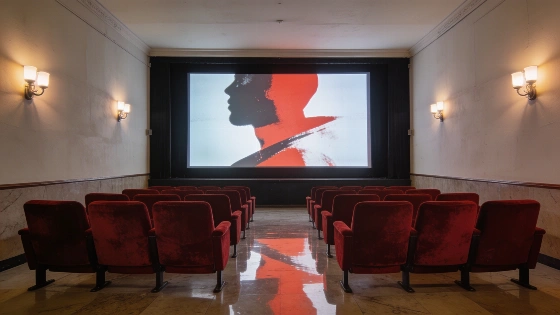
Ian Gibson walked out of the screening room after La bola negra. The impact hit him hard. Gibson, known for his deep work on Lorca, called the experience “tremendous.” The film, directed by Javier Calvo and Javier Ambrossi—Los Javis—has grabbed Spanish audiences and is now drawing attention abroad. The reason is clear. It puts Lorca’s sexuality and his last relationship front and center, refusing to look away.
La bola negra does not dodge the private side of Federico García Lorca. It puts his homosexuality at the heart of the story. This choice has drawn both applause and criticism. For years, Lorca’s personal life was either ignored or cleaned up in public. Not here. This film drags that hidden side into the light. Reports from ABC and Infobae say the film is not a simple biopic. Instead, it weaves together three stories of gay men—one from 1932, another from 1937, and a third from 2017. Lorca is both present and missing, played by playwright Alberto Cortés.
The project is based on two literary sources: Lorca's unfinished text 'La bola negra' and Alberto Conejero's play 'La piedra oscura'.
At the “Escribidores” sessions at the Filmoteca de Cáceres, Gibson spoke plainly. He called Los Javis “extraordinary” for how they handled Lorca’s story. The film’s close look at Lorca moved him deeply. Gibson has spent decades studying Lorca. He went further, calling Lorca “the Spanish Shakespeare.” He pointed out how Lorca crossed genres and traditions with ease. Gibson believes Lorca’s work still inspires new artists today.
Actress Ana Belén was there too. She backed this approach. For her, showing Lorca’s emotional and personal side is not just “wonderful”—it is needed. She says Lorca’s homosexuality cannot be separated from his poetry. Belén insists this part of his life should never be left out again. She sees the film as a needed correction, especially for young people or anyone who does not know Lorca’s story well.
The film’s historical setting is not just background. It becomes a stage for love, repression, and freedom. The story faces old wounds and the messiness of cultural memory. Since its release in Spanish cinemas, La bola negra has started new conversations about how Spain remembers—or sometimes forgets—its most important figures. Newtral reports that Lorca’s unfinished play, which inspired the film, centers on Carlos. He is kept out of a casino because of rumors about his sexuality. The story shows the homophobia of that time.
Screenwriter Alberto Conejero has argued that Lorca's legacy was 'stolen' by his murderers, censors, and those who considered his sexuality shameful or irrelevant. Conejero also pointed to the reluctance of some Spanish media to openly discuss the poet's homosexuality, framing the debate as a question of cultural heritage.
Los Javis do not gloss over Lorca’s life. They force viewers to face the poet’s full humanity. The film’s success at home and abroad shows that Spanish culture is ready to look at its own history in a new way. La bola negra does not just revisit the past. It demands that people face truths long left unsaid. That changes the game for Spanish biopics. It is honest. It is bold. It is overdue.