Surgical waiting lists in Madrid have reached historic highs. Delays force patients like Julián to pay for private operations. The region now leads Spain in private health insurance uptake.
Madrid’s public hospitals are experiencing unprecedented delays for surgical procedures, with more than 114,000 residents waiting for operations as of July. The region’s waiting lists have grown by over 22% in a year, highlighting a mounting crisis in access to timely healthcare. For many, the only alternative is to seek private treatment, often at significant personal cost.
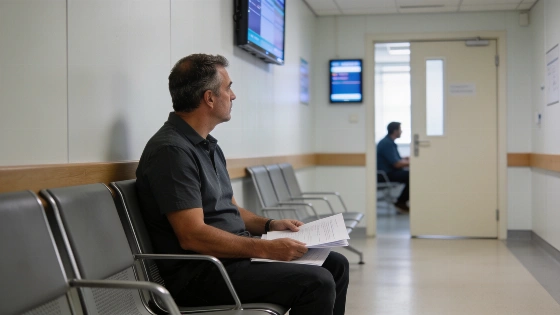
Julián, a 65-year-old Madrid resident, is among those affected. After a routine blood test in 2024 revealed abnormal PSA levels, he faced a drawn-out diagnostic process. It took over six months to receive an MRI, and a biopsy was not scheduled until September 2025. Despite being 125th on the waiting list at Hospital Universitario del Sureste, he only entered surgery after filing a formal complaint. By April, he finally received a full diagnosis and began hormone therapy. Unable to wait any longer, Julián paid €9,000 for a robotic operation in the private sector. He now prepares for radiotherapy, reflecting the growing number of patients forced to bypass public delays.
Madrid leads Spain in private health insurance coverage, with 37.3% of residents insured, according to the Observatorio del sector sanitario privado 2026. Nationally, 12.8 million Spaniards—26.2% of the population—hold private policies. The average surgical wait in Madrid’s public system reached 57 days in July, while the national average stood at 121 days, with over 850,000 people waiting for surgery across Spain. Although Madrid’s government claims the region has the shortest waits in the country, the number of pending operations has surged by 64% since 2020.
Other patients, like 81-year-old Palmira Gayo, also face long delays. After completing preoperative tests for a knee transplant in January, she remains on the waiting list. She was offered transfers to other hospitals but declined, preferring her regular traumatologist. In July, over 1,000 Madrid patients had waited more than six months for surgery, and nearly 17,000 had waited between three and six months. For those refusing hospital transfers, the average delay reached 124 days.
The regional health department attributes the increase to population growth and improved diagnostic pathways, not to a decline in system efficiency. Officials note that 1.2% of Madrid’s structural waiting list exceeds six months, compared to 21.6% nationally. They also state that no surgical procedures are outsourced to private clinics. However, a recent doctors’ strike led to the suspension of over 12,000 surgeries and 248,000 consultations, costing the system more than €19 million.
Despite a 3% monthly drop in total pending appointments in July, driven by reductions in diagnostic tests and specialist consultations, waiting times for all services continue to rise. Patients now wait an average of 66 days for specialist visits and 57 days for initial diagnostic tests. The total number of pending appointments in Madrid remains high at 945,878, though this figure includes individuals counted on multiple lists.
Longer waits are not unique to Madrid. Across Spain, regions like Andalusia, Cantabria, and Catalonia report even greater delays. The issue of access to timely care is becoming a national concern, as highlighted in recent coverage of other public service challenges, such as the impact of strikes on essential services.
For patients like Julián and Palmira, the consequences are personal and immediate. Both recall previous surgeries that were scheduled far more quickly, underscoring a deterioration in waiting times. Julián notes that in 2018, he received a biopsy within two months of an abnormal test result, without needing to file complaints or seek priority status. The current situation, he says, leaves those without financial means at a disadvantage when urgent care is needed.
Spain’s public health system is recognized for its universal coverage, but rising demand, demographic shifts, and resource constraints are straining its capacity. The growing reliance on private insurance and out-of-pocket payments signals a shift in how residents access care. As waiting lists continue to grow, the debate over public healthcare efficiency and equity is likely to intensify.