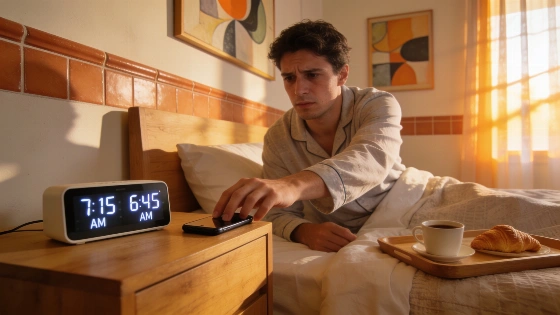
Nearly half of Spanish adults struggle with sleep quality. Experts highlight five common morning mistakes that disrupt rest. Simple changes in daily routines could make a significant difference.
Spain faces a persistent sleep problem, with the Sociedad Española de Neurología estimating that 48% of adults do not achieve quality rest at night. New guidance from psychologist Nuria Roure points to a surprising culprit: morning routines. According to Roure, several widespread habits in the first hours of the day may be undermining efforts to sleep well, regardless of what people do before bed.
One of the most overlooked issues is inconsistent wake-up times. While many Spaniards try to maintain a regular bedtime, few apply the same discipline to mornings. Roure stresses that waking up at different hours—especially on weekends—can disrupt the body's internal clock, making it harder to fall asleep on Sunday nights. She recommends keeping the difference within one hour, even on days off, as sleeping in does not compensate for lost rest.
Another common mistake is reaching for the mobile phone immediately after waking. Although much attention is given to avoiding screens at night, Roure warns that early-morning exposure to digital devices can also interfere with the body's natural rhythms. She advises spending the first 30 minutes of the day without screens, suggesting instead to focus on breakfast, stretching, or breathing exercises.
Skipping breakfast or delaying the first meal is also flagged as a risk. Roure recommends eating within the first hour after waking to activate metabolism and help synchronize hunger, energy, and sleep cycles. This simple step can support the body's internal clock and improve overall rest.
Exposure to natural light in the morning is another factor often neglected. Roure notes that even 10 to 15 minutes of daylight, regardless of weather, signals to the body that the day has begun. Without this cue, the body may struggle to wind down at night, making it harder to disconnect and fall asleep.
Finally, starting the day with negative news or stressful emails can trigger the body's alert system, raising cortisol levels and setting a tense tone for the day. Roure suggests keeping the first half hour of the morning free from digital stress to avoid this effect.
These recommendations come as Spanish authorities and experts continue to address work-life balance and daily routines. For example, recent initiatives in Barcelona have encouraged companies to adopt flexible schedules and telework to improve family life and well-being, as detailed in this report on new work-life balance measures.
Roure emphasizes that improving sleep quality does not require drastic changes. She suggests correcting one habit at a time and observing the impact. According to health data, poor sleep is linked to increased risk of chronic diseases, reduced productivity, and higher stress levels. The World Health Organization has identified sleep disorders as a growing public health concern in Europe. In Spain, sleep clinics have reported a steady rise in consultations over the past decade, reflecting the widespread impact of disrupted routines. Addressing morning habits may offer a practical starting point for many seeking better rest.