Spanish hospitals faced a sharp rise in eye emergency visits after the solar eclipse. Most cases were mild, with only isolated reports of serious retinal damage. Health authorities remain alert as symptoms may appear days later.
Hospitals across Spain experienced a notable increase in emergency ophthalmology consultations following the recent total solar eclipse, but health authorities report that almost all cases have been mild. In Madrid, the Gregorio Marañón hospital saw its usual number of nightly eye emergencies jump from around six to nearly thirty. However, none of these cases were linked to direct solar exposure, according to the hospital's ophthalmology chief, José Luis Urcelay. Most patients reported itching, irritation, or a gritty sensation in the eyes—symptoms not typically associated with solar-induced retinal injuries.
Medical staff had prepared for a potential influx of patients with serious eye damage, as exposure to the sun during an eclipse can cause solar retinopathy—a burn affecting the macula, the part of the retina responsible for central vision. Yet, the majority of those seeking help presented only minor discomfort. Urcelay attributes the surge in consultations to heightened public concern after witnessing the eclipse, rather than actual injuries from looking at the sun. He emphasized that true solar damage usually manifests as central vision loss or image distortion, and does not cause pain or irritation.
Across the Community of Madrid, around one hundred eclipse-related medical visits were recorded, with only one hospital—Torrejón—reporting a serious eye injury. Other regions reported similar patterns: the Basque Country's health service (Osakidetza) attended to 58 people, Andalusia counted 44, and Murcia registered about thirty cases. Most complaints involved mild visual disturbances such as black spots, flashes, or minor discomfort. In Aragón, Navarra, and other communities, the numbers remained low, with most cases handled by phone consultations.
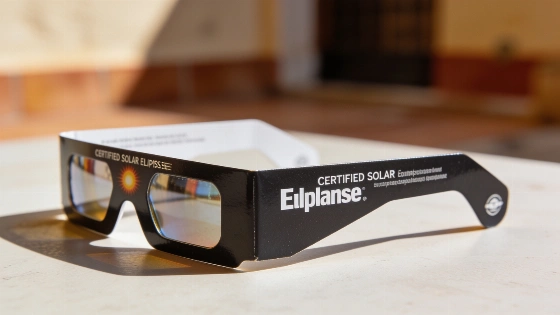
Doctors warn that symptoms of solar retinopathy may take hours or even days to appear, often presenting as blurred vision, color perception changes, increased light sensitivity, reading difficulties, or dark spots in the visual field. There is no reliable treatment to fully repair retinal damage, and some patients may experience lasting effects. The only effective prevention is to avoid looking directly at the sun. If visual symptoms develop, prompt medical attention is advised, as certain medications can help minimize damage if administered early.
According to a recent analysis by russpain.com, the eclipse also led to a surge in online searches for eye pain and disruptions in daily routines, highlighting the broad impact of the event across Spain.
Solar eclipses are rare but draw widespread public attention, often prompting health warnings about eye safety. In Spain, authorities typically reinforce emergency services and issue guidance on safe viewing practices. The recent event underscores the importance of public awareness, as even a brief glance at the sun without proper protection can result in irreversible retinal injury. While most post-eclipse complaints this year were minor, the risk of delayed-onset symptoms remains, and health officials continue to monitor for any late-emerging serious cases.