Barcelona’s Palau de la Música Catalana will open a new entrance on Via Laietana. The project includes a shop and immersive exhibition. The move aims to attract more visitors and boost visibility for the historic site.
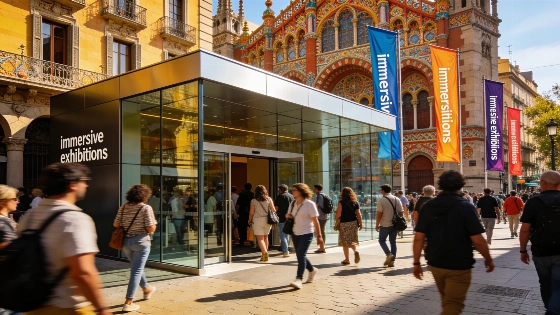
The Palau de la Música Catalana is set to transform its relationship with Barcelona’s Via Laietana by opening a new public entrance, marking a significant shift for the UNESCO-listed modernist landmark. With more than 900,000 annual visitors, the institution is investing €1.5 million to create a 353-square-metre access point at the corner of Via Laietana and Carrer Ramon Mas. The new facility will combine a visitor reception, a shop, and an immersive exhibition dedicated to the building’s history and the Orfeó Català.
For years, the Palau’s main entrance faced away from one of Barcelona’s busiest avenues, limiting its visibility to the constant flow of tourists and locals. The upcoming entrance aims to change that dynamic, drawing in passersby and offering them the chance to purchase concert tickets, guided tours, or souvenirs. According to Joan Oller, the institution’s general director, the goal is to make the Palau more accessible and appealing to those interested in experiencing the city’s cultural life.
The new access will occupy two former commercial premises at 54 Via Laietana, leased for 20 years. Visitors will enter through a corridor leading to the historic building, passing through an exhibition space designed as an introduction to the Palau’s story. The route will feature audiovisual installations, reproductions of original architectural elements, and displays explaining the social and musical legacy of both the Orfeó Català and the Palau itself, which hosts over 600 concerts each year.
Joaquim Uriach, president of the institution, emphasized the intention to strengthen ties with the local community and improve the surrounding neighborhood. The project is expected to increase ticket sales, as around 30% of current visits are purchased at the box office. Construction is scheduled to finish in August, with a phased opening of the new spaces. The immersive exhibition is planned to launch in November, completing a long-term strategy to make the Via Laietana façade a prominent gateway to the Palau’s cultural offerings.
The initiative follows a broader trend in Spanish cities, where the future of iconic buildings and their integration into urban life often sparks debate. For example, the planned demolition of Mestalla stadium in Valencia has raised questions about the preservation of local identity and the role of historic sites in city development, as discussed in recent coverage of Valencia’s urban challenges.
The Palau de la Música Catalana, designed by Lluís Domènech i Montaner and built between 1905 and 1908, has seen steady growth in visitor numbers alongside Barcelona’s tourism boom. The new entrance is part of ongoing efforts to adapt to changing visitor expectations and urban dynamics. The project also involves collaborations with Laie bookshop, Pilar Líbano, and Tilrgab, reflecting a multidisciplinary approach to enhancing the visitor experience.
Barcelona’s Via Laietana is a major artery connecting the city’s historic center with the waterfront, lined with notable buildings and institutions. The Palau’s move to open onto this avenue is expected to further integrate the concert hall into the city’s daily life and tourist routes. As the city continues to balance heritage preservation with modern demands, such initiatives highlight the evolving role of cultural landmarks in shaping Barcelona’s identity and economy.