Pedro Sánchez has resumed his private holiday in Andorra just days after government action on the Ceuta migration crisis. The timing of his absence has sparked debate over leadership and priorities.
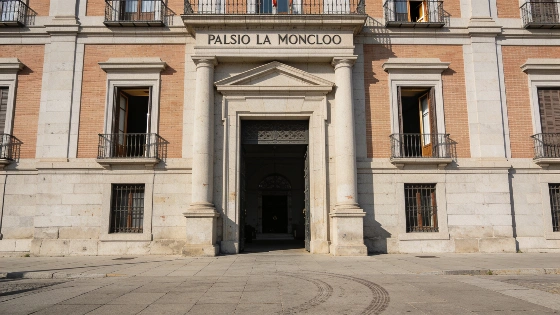
Pedro Sánchez has come under renewed scrutiny after leaving Madrid for a private holiday in Andorra, despite ongoing tensions surrounding the migration situation in Ceuta. According to ABC, the Prime Minister departed the Palacio de la Moncloa only 48 hours after presiding over both the Council of Ministers and the National Security Council, which resulted in the appointment of a single command authority in Ceuta. His trip, accompanied by his wife Begoña Gómez, is expected to last until Sunday, August 30.
The decision to continue his summer break has reignited questions about the appropriateness of his absence at a time when Ceuta faces a particularly sensitive period. In recent weeks, Sánchez has been largely absent from public view, even as the government was forced to adjust its approach to the crisis. Residents in Ceuta have expressed concern about feeling sidelined, especially after the government’s recent policy changes, which many see as a response to mounting pressure.
While the government has sought to project an image of stability and control, the optics of the Prime Minister leaving for vacation so soon after major decisions have drawn criticism. The contrast between official reassurances and the visible absence of leadership has become a focal point for debate. The situation in Ceuta remains delicate, with local authorities and citizens expecting continued attention from Madrid.
This episode follows a series of high-profile developments in Ceuta, where migration pressures have tested both local capacity and national policy. The government’s recent move to centralize command was intended to streamline response efforts, but the timing of Sánchez’s departure has overshadowed these measures. As noted in a recent report on calls for intensified immigration controls in Ceuta, the region remains at the center of political and operational challenges.
In Spain, the presence of the Prime Minister during crises is often seen as a key element of leadership. The current debate highlights the tension between the right to personal time and the expectations placed on public officials during periods of national concern. Ceuta’s strategic location and its role as a migration entry point have made it a recurring issue for Spanish authorities. The government’s handling of such situations is closely watched, both domestically and in the broader European context. As the situation develops, attention will remain focused on how leadership is exercised and communicated from Madrid.