A University of Barcelona study links higher progesterone with less precise emotional processing and lower mood. The findings could help shape more personal care for hormone-related mood disorders.
Higher progesterone levels may make it harder for the brain to tell easier emotional situations from more difficult ones. A study led by Macià Buades at the University of Barcelona links this pattern to lower mood during the menstrual cycle. The finding points to a measurable brain process behind emotional changes that some women experience before menstruation.
Women whose brains showed clearer differences between emotional situations generally reported a better mood during the previous week. When progesterone levels were higher, the patterns recorded in the lateral frontal pole became more alike. That similarity suggests the brain may be separating emotional contexts less precisely in daily life.
The study was published in Psychological Medicine in September 2026 under the title Endogenous progesterone blurs frontostriatal representations of emotion control in healthy young women.
The study does not show that progesterone directly causes the mood change.
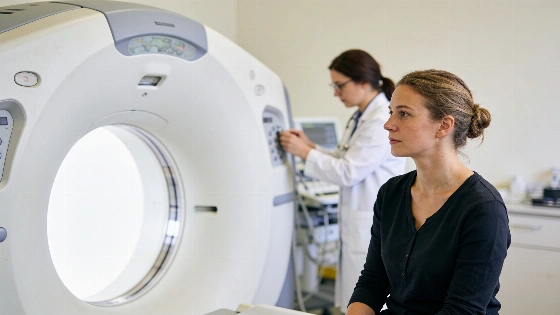
The evidence comes from 116 women with natural menstrual cycles who were not using hormonal contraception. The team used magnetic resonance imaging, multivoxel decoding techniques and saliva hormone analysis while the participants viewed emotional facial expressions. This allowed the researchers to compare natural changes in estradiol and progesterone with activity in brain regions involved in emotional control.
Buades said the results suggest that more precise separation of emotional situations could help with emotion regulation in daily life. The researchers also point to the limits of a single measurement. They do not present the association as proof of cause and effect. Mood cannot be reduced to one hormone or one brain area.
The model linking progesterone, the brain measure and mood explained only a small share of the variation in reported mood. This indicates that progesterone is not a complete explanation for emotional changes across the menstrual cycle.
The progesterone result was not matched by a similar finding for estradiol. That hormone is often linked to better mood and is also used in treatments for menopausal symptoms. Rosamunde Hendricks from the Autonomous University of Barcelona said the lack of an estradiol effect may reflect the difficulty of measuring it accurately in saliva. The study therefore cannot rule out an effect on the brain. Its methods may simply have failed to detect one reliably.
The University of Barcelona's account of the study, distributed through AlphaGalileo, describes an association between endogenous progesterone and less distinct frontostriatal representations of emotional control. The researchers used the term lateral frontal pole for the brain region where the signals became more similar as progesterone levels rose. The finding adds a neural correlate to reported mood changes without naming one biological cause.
The difference between association and causation matters in medical reporting beyond this study. A similar gap in explanation appears in an earlier medical analysis of semaglutide and cardiovascular protection. An observed effect can be real even when its full mechanism remains unsettled.
The findings could support more personal ways to assess and treat hormone-related mood problems such as premenstrual dysphoria. They also question the simple idea that hormonal effects on emotional balance should be discussed only in women. Future research will need to test whether similar links between hormonal changes and emotional control also exist in men.
This study does not offer a universal explanation for low mood. It offers a sharper way to investigate it. Progesterone was associated with less distinct emotional processing in the brain and lower reported mood, while the role of estradiol remains unresolved. That makes individual assessment more useful than broad assumptions about the menstrual cycle. The research connects hormone measurements with a specific neural pattern while keeping its limits clear.