José Antonio Campal, a leading figure in Salamanca’s agribusiness sector, died at 54 in a motorcycle accident near Vitoria-Gasteiz. His unexpected passing leaves a major void in the region’s economic and rural landscape.
The news of José Antonio Campal’s death landed hard in Salamanca. At 54, Campal—who led Bernabé Campal and played a central role in the province’s agricultural economy—died in a motorcycle accident near Vitoria-Gasteiz. The shock was immediate in Huerta, where his family business is based, and spread quickly through a region that relied on his work and leadership.
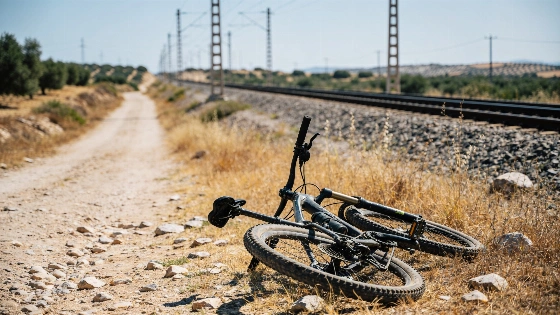
The accident happened on Saturday around 12:40 pm, as Campal left the AP-1 for the N-622. He was returning from a motorcycle trip through Europe with his brother Pedro and a friend, each riding their own bike. Emergency crews arrived quickly, but despite their efforts, a doctor confirmed his death at the scene. The Ertzaintza’s Álava Traffic Unit is still investigating the cause of the crash, according to Spanish media and official statements from the Departamento de Seguridad.
Local authorities confirmed that Campal was traveling with his brother and a friend, each on their own motorcycle, when the accident occurred.
— José María Casado
For Salamanca’s agricultural sector, the loss is both personal and practical. Under the joint leadership of José Antonio and his brother, Bernabé Campal has become one of the most important agro-industrial companies in Castilla y León. Some reports mention "more than 18 storage centers," "turnover exceeding 400 million euros," and "over 3.5% of the national market," but these figures have not been confirmed by official company data. The company works with cereals, seeds, fertilizers, and other key products, supplying farmers across Spain and Portugal. Its operations support hundreds of rural families and play a major role in the region’s economy.
Earlier in 2024, CEOE CEPYME Salamanca recognized Bernabé Campal for its contribution to the primary sector, job creation, and local development. José Antonio accepted the award with his brother—a moment that now serves as his last public recognition.
The timing of the accident was especially difficult. Salamanca was celebrating its Ferias y Fiestas in honor of the Virgen de la Vega when the news broke, casting a shadow over the festivities. Condolences came from business leaders and public officials. Javier Iglesias, president of the Diputación de Salamanca, called Campal “a reference point for the agro-industrial fabric of Salamanca and a person deeply committed to the province’s progress.”
The accident, which occurred at the AP-1 exit to the N-622 near Vitoria-Gasteiz, is still under investigation by the Ertzaintza’s traffic division. Local media in Salamanca report that the news has had a particularly strong impact in Las Villas and Huerta, where the Campal family and their business have longstanding ties to the community.
— Salamancartvaldia.es
On Sunday, the San Carlos Borromeo funeral home in Salamanca became a gathering place for family, friends, and colleagues trying to come to terms with the sudden loss. The funeral is set for Tuesday, though the location remains private. What is clear is that Salamanca is saying goodbye to a man whose name became closely linked with rural progress and business initiative.
Campal’s story shows that Spain’s agricultural sector depends not just on land and equipment, but on the drive and risk-taking of people willing to invest in their communities. His absence will be felt in Huerta and in every field and warehouse that relied on his decisions. The region now faces the task of carrying on the momentum he built, without the man who led it.