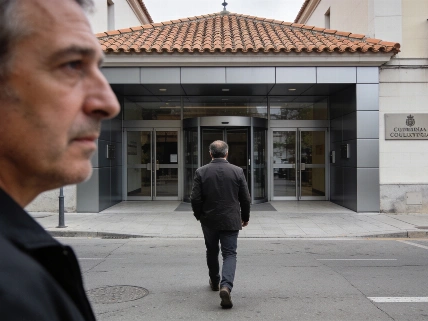
A DYM poll puts support for the 29 November 2026 election at 76%, with PSOE drawing voters from Sumar and Podemos as PP and VOX hold the right.
The parliamentary arithmetic collapsed before Pedro Sánchez set the date. A DYM barometer prepared for 20minutos found that 76% support an early general election on 29 November 2026, while 10.4% oppose it. The result gives the decision broad public backing after the Government lost the support needed to pass its housing decrees.
Support is also moving toward PSOE on the left. Voters who previously backed Sumar and Podemos are shifting toward the governing party, while PP and VOX are holding their position as the dominant force on the right.
The two housing decrees were defeated by different margins: the first vote ended 172–178 and the second 166–184. PP, Vox and Junts voted against the Government's initiatives.
The figures are strongest among people who supported the opposition in the last general election. Some 86.3% of PP voters support bringing the vote forward, as do 81.9% of VOX voters. Among PSOE voters, support reaches 80.5%.
That cross-party backing followed an unusually damaging defeat. Congress rejected the Government's two housing decrees three days before the announcement, leaving Pedro Sánchez without the parliamentary support required to proceed. He then called the election for 29 November.
The measures targeted the housing crisis through tenant protections. They also covered eviction-related safeguards and action against market speculation. The defeat came after nationwide housing protests, intensified by the forced eviction of an 87-year-old woman in Madrid.
Junts joined PP and Vox in rejecting the decrees despite negotiations with Sánchez's team over their contents. The vote exposed how little room the minority Government has with its parliamentary alliances.
The Spanish Government's official account says Sánchez announced the dissolution after consulting the head of state and convening an extraordinary Council of Ministers. Spanish electoral rules require a vote 54 days after an early dissolution, setting the date for 29 November 2026.
Spanish electoral rules require a vote 54 days after an early dissolution, which sets the 29 November date. The election therefore arrives more than six months before the vote originally expected in the summer of 2027.
The election arrives more than six months before the vote originally expected in the summer of 2027. The ideological breakdown follows the party pattern, though the gap is narrower. Support reaches 80.6% among centre-right respondents and 80.5% among those identifying with the right. It stands at 78.1% in the centre, then drops to 73.5% among centre-left voters and 69.8% on the left.
The 13.6% who did not know or declined to answer form the only sizeable group outside the clear majority. Supporters outnumber opponents by more than seven to one.
PP and VOX voters show the strongest appetite for an immediate contest. PSOE retains enough backing among its own electorate to defend the decision inside the governing camp, while support on the left remains above two thirds.
The housing issue now carries the campaign's main political weight. Sánchez is seeking to turn the failed decrees into an advantage for the Socialists, even as the parliamentary defeat highlights the fragility of his alliances.
The BBC reported that most published polls projected the conservative People's Party to win the largest number of seats. That gives PSOE a difficult starting position before the 29 November vote.