Stage 12 of the Tour de Francia 2026 saw a fierce sprint rivalry and sudden weather changes. Key contenders faced setbacks and protests. The peloton’s tactics shifted as the race unfolded.
Stage 12 of the Tour de Francia 2026 delivered a day of shifting fortunes and tactical tension on the 179-kilometre route from Circuit Nevers Magny-Cours to Chalon-sur-Saône. The stage, designed for sprinters, quickly turned unpredictable as a sudden storm disrupted the race, forcing teams to adapt their strategies on the fly.
Early in the stage, Baptiste Veistroffer of Lotto-Intermarché emerged as the main protagonist, launching a solo attack after several failed breakaway attempts by other riders. Veistroffer’s move was soon challenged by Caruso, Vercher, and Costiou, who managed to bridge the gap and form a leading quartet. Their advantage, however, never exceeded a minute as Alpecin and Soudal kept the peloton’s pace high, determined to set up a mass sprint finish.
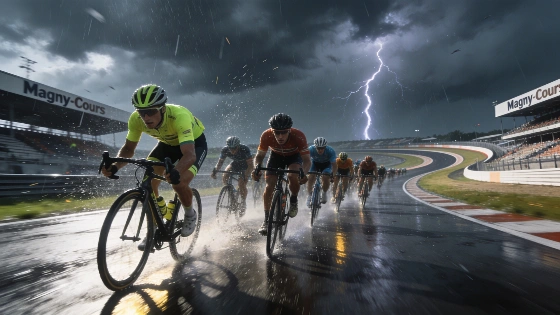
The weather played a decisive role mid-stage. At 84 kilometres to the finish, a heavy downpour hit the riders, briefly cooling the heat that had dominated previous days. The sudden rain added an extra layer of risk, but the peloton maintained its focus, with teams working to control the gap to the breakaway. Mechanical issues also came into play, as Belgian sprinter Merlier suffered a puncture but managed to rejoin the main group without significant delay.
Intermediate sprints brought further drama. Veistroffer consistently claimed points for the mountain classification, while Mads Pedersen, supported by Vacek and Simmons, won the peloton’s sprint at Decize. Pedersen’s aggressive move nearly closed off Philipsen, prompting a review by race officials. France TV later confirmed that Pedersen would not be penalized, allowing him to retain his 20 points and strengthen his hold on the green jersey. The Danish rider, however, was seen protesting to the race jury over the incident, highlighting the intensity of the competition among sprinters.
As the race approached its final 100 kilometres, the peloton increased its tempo, gradually eroding the breakaway’s lead. The calm moments allowed top contenders like Pogacar and Vingegaard to briefly pause, but the tension quickly returned as teams prepared for the decisive sprint. The stage’s opening at the iconic Magny-Cours circuit provided a striking backdrop, with the peloton rolling out behind the safety car before the racing began in earnest.
The day’s events echoed the unpredictability seen in other major sporting events this summer, such as the high-risk final bull run at San Fermín, where a change in tradition led to a dramatic and injury-filled conclusion. For more on how sudden shifts can impact major competitions, see the report on Pamplona’s fast and risky closing encierro.
Stage 12’s outcome remains open as the peloton closes in on Chalon-sur-Saône, with the breakaway’s advantage shrinking and the sprinters’ teams poised for a final showdown. The day’s mix of tactical battles, weather surprises, and ongoing disputes over sprint points underscores the complexity and excitement that define the Tour de Francia. The stage also highlights the importance of adaptability for both riders and teams, as unexpected developments can quickly alter the dynamics of the race. With several key stages still ahead, the fight for jerseys and stage wins promises to remain intense throughout the remainder of the Tour.
For context, the Tour de Francia is one of cycling’s most prestigious events, attracting global attention each summer. The 2026 edition continues to showcase not only athletic excellence but also the unpredictable nature of road racing, where weather, mechanical issues, and split-second decisions can all influence the outcome. As the race progresses, fans and teams alike will be watching closely to see which riders can best navigate the challenges ahead.