Health officials in Andalusia have advised against swimming at two busy Huelva beaches after routine tests revealed elevated microbiological levels. The recommendation, which is not a full ban, targets specific areas in Punta Umbría and Matalascañas and will remain until water quality returns to normal.
Health authorities in Andalusia have issued a temporary warning against swimming at two of Huelva’s most frequented beaches after routine summer water quality checks detected microbiological levels above the permitted threshold. The advisory specifically targets the Plaza del Atlántico bathing area in Punta Umbría and the Pueblo Andaluz zone in Matalascañas, both of which attract large numbers of visitors during the summer months.
The decision, announced by the Junta de Andalucía, follows recent analyses conducted as part of the region’s Bathing Water Health Surveillance Program. According to officials, the elevated readings prompted immediate precautionary measures while the source of the contamination is investigated. Notably, the warning does not extend to the entire municipalities or all beach areas, but is limited to the identified sampling points.
In Punta Umbría, the affected area is Plaza del Atlántico, while in Matalascañas—part of the Almonte municipality—the advisory applies to Pueblo Andaluz. Initial reports had suggested the warning might affect Pato Amarillo, but authorities later clarified the precise locations. The recommendation is intended as a preventive step, with ongoing monitoring to determine when the water can be deemed safe for swimming again.
Targeted Measures
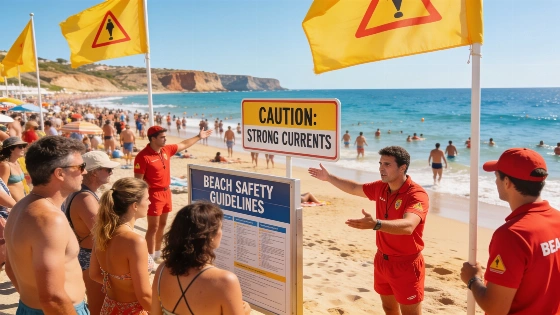
The Territorial Health Delegation in Huelva has instructed local councils to implement clear information measures for beachgoers. This includes posting signage, installing information panels, and raising yellow flags at the designated zones. Special attention is being directed toward vulnerable individuals and those at higher risk, while corrective actions are underway to restore normal microbiological parameters.
These measures will remain in place until follow-up tests confirm that the health risk has been eliminated and the underlying causes have been addressed. For now, the recommendation is to avoid swimming in the specified areas, though a full ban could be imposed if the situation persists or worsens.
Ongoing Surveillance
The Bathing Water Health Surveillance Program conducts regular checks throughout the summer across the Andalusian coastline. Earlier in July, the Junta reported that 389 sampling points in 304 bathing zones across the region had been analyzed, including 50 samples from 25 zones in Huelva’s nine coastal municipalities. Until the health authorities officially lift the advisory, beach users are urged to respect municipal signage and follow all posted instructions.
While the current situation is limited to two specific zones, it highlights the importance of regular water quality monitoring in popular tourist destinations. Similar attention to detail can be crucial in everyday routines, as seen in advice about household appliances such as washing machines—where, as discussed in this article on overlooked maintenance tips, small oversights can have unexpected consequences.
For now, the focus remains on restoring safe conditions at Punta Umbría and Matalascañas. Health officials will continue to monitor the situation closely and update the public as soon as the affected areas are cleared for swimming.