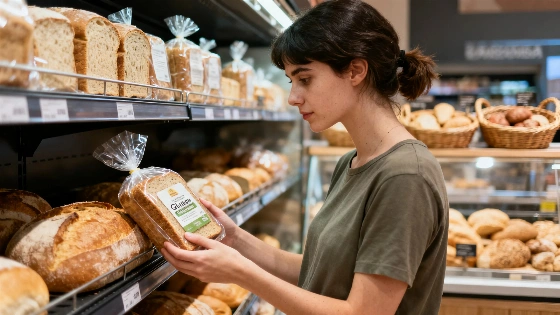
Spain Officially Recognizes Gluten-Free Bread: What Changes for Consumers. New regulations have come into effect in Spain, for the first time equating gluten-free bread with regular bread. These products now receive official status and will be taxed at the minimum VAT rate. This decision is significant for everyone dealing with gluten intolerance.
A key amendment to the bread quality law has come into force in Spain: gluten-free products are now officially recognized as bread on par with traditional varieties. This decision is established in the updated Royal Decree 308/2019, published in the BOE, and is already affecting production, labeling, and taxation rules.
Until now, gluten-free bread existed in a kind of 'gray zone': it was not subject to the strict quality standards applied to regular bread and was not eligible for a reduced VAT rate. For people with celiac disease or gluten intolerance, this meant not only a limited selection but also higher prices.
What has changed in the law
The main innovation is that bread is now officially defined as a product made from gluten-free or low-gluten flour, as well as from other ingredients that replace traditional flour and provide the necessary structure and taste. The law allows the use of natural gluten-free components, such as starches and plant fibers, if they are required for product quality.
This applies to both regular and specialty breads: both types can now be gluten-free if they meet the new criteria. As a result, manufacturers have clear guidelines, and customers get greater transparency and confidence in the ingredients.
Financial effect: VAT reduction
Immediately after the changes took effect, gluten-free bread became subject to the minimum VAT rate of 4%, the same as regular bread. Previously, such products were taxed at a higher rate, which directly affected the final consumer price. Now, the price difference between regular and gluten-free bread should decrease.
Why this matters for people with celiac disease
The Federation of Celiac Associations of Spain (FACE) called this decision a resolution of a longstanding legal gap. Previously, gluten-free bread was not required to meet traceability and quality standards and did not qualify for tax benefits. The situation has now changed: the product has received official status, and its production and sale are regulated on par with traditional bread.
For consumers, this means not only lower prices but also greater legal protection: now, quality, safety, and transparency requirements are the same for all types of bread.
What buyers need to know
According to the new rules, gluten-free bread can be called bread if it is made from gluten-free flour or other natural ingredients that fully replace flour. It can belong to either the standard or special bread category, provided it meets gluten content criteria. Starches and plant fibers may be used if needed for structure and taste.
Buyers should pay attention to labeling: it will now be more transparent, and production requirements more stringent. This reduces the risk of errors and increases trust in the product.
Context and Importance of the Changes
According to Talent24h, Spain became one of the first EU countries where gluten-free bread received official recognition at the legislative level. This decision makes life easier for people with celiac disease and makes the bread market fairer. In the future, an expansion of the range and a gradual decrease in prices for gluten-free products can be expected.