A 26-year-old inmate at Seville's psychiatric prison killed two cellmates overnight. The attack highlights ongoing concerns about mental health care and safety in Spanish penitentiaries. Authorities have launched an investigation.
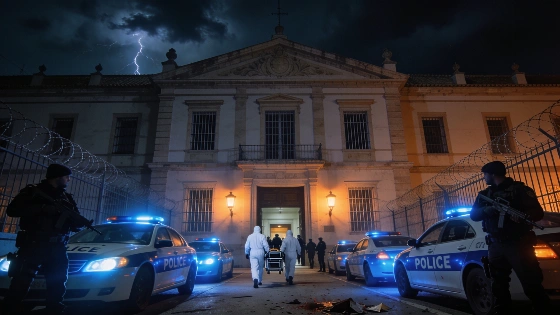
Two inmates died in the early hours of Monday at the Hospital Psiquiátrico Penitenciario de Sevilla after a violent attack inside a shared cell. According to sources from ACAIP-UGT and prison authorities, a 26-year-old prisoner allegedly suffocated one cellmate and fatally beat another, both housed in the same residential module. The incident was discovered during a routine night check, when staff found one victim already deceased and the other gravely injured. Despite immediate intervention, the second inmate, aged 26, died before medical teams could save him. The other victim was 54 years old.
Following the attack, the alleged perpetrator remained in his bed until staff arrived. He was subsequently transferred to the acute care unit. The response involved forensic teams, judicial authorities, emergency medical services, and senior officials from the prison administration, all working to secure the scene and begin the investigation. Police from both the scientific and judicial branches were present to collect evidence and oversee the removal of the bodies.
Prison staff representatives commended the swift actions of their colleagues, which they say prevented further escalation within the facility. However, the incident has reignited criticism of the current system for managing inmates with psychiatric disorders. Union spokespeople argue that the lack of permanent monitoring and insufficient resources make it impossible to guarantee safety and adequate care for this vulnerable population. They point to chronic understaffing and the absence of specialized support as ongoing risks in psychiatric prison modules.
Recent data from the Junta de Andalucía's mental health strategy underscores the scale of the challenge: up to 80% of inmates in Spanish and Andalusian prisons have been diagnosed with some form of mental illness during their lives. Personality disorders and dual pathology are especially prevalent, while anxiety and depression affect a significant proportion of the prison population. More than half of inmates are prescribed psychotropic medication, highlighting the complexity of their needs.
Union representatives are calling for urgent structural reforms, including increased staffing, improved healthcare resources, and the full transfer of prison health services to regional authorities as mandated by national law. They warn that the current system is not equipped to handle the growing number of inmates with severe psychiatric conditions and complex criminological profiles. Without substantial changes, both inmate and staff safety remain at risk.
Spain's prison psychiatric hospitals, such as the one in Seville, are designed to house offenders with serious mental health issues who require secure treatment. However, the high prevalence of psychiatric disorders among inmates and the limited capacity of these facilities have led to ongoing debates about the adequacy of care and the need for systemic reform. The deaths in Seville add to a series of incidents that have drawn attention to the intersection of mental health and criminal justice in Spain, raising questions about how best to protect both patients and staff in these challenging environments.