Uber has received permission from Spain’s DGT to test level 4 autonomous vehicles in Madrid. The pilot, which uses 20 cars, is an early step toward driverless robotaxis and could change how people get around in Spanish cities.
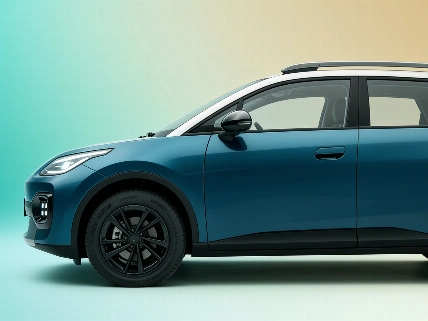
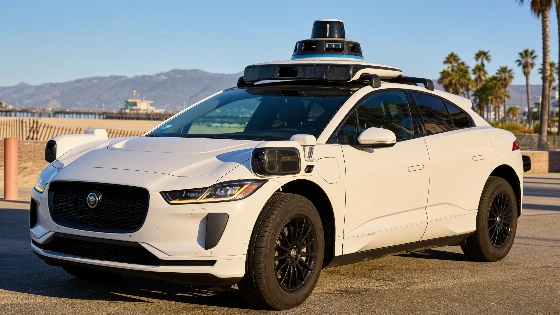
Uber now has approval from Spain’s Directorate General of Traffic (DGT) to run level 4 autonomous vehicles on Madrid’s streets. The company, working with Chinese tech firm WeRide and Avomo, will put 20 cars on the road in a closely monitored pilot program.
This is a major change for Uber, which built its business around human drivers. The new project tests technology that aims to remove the driver entirely. The DGT’s permit lets Uber and its partners operate fully autonomous vehicles, but only in certain areas and under specific conditions. This goes well beyond the driver-assist features found in most cars. According to a press release from Uber and WeRide, the permit falls under Spain's ES-AV regime and covers a test phase on public roads, not a commercial launch.
The official registration of the test appears in the DGT registry as FVA-02/2026, underscoring the experimental nature of the project.
For now, these 20 vehicles will not be carrying passengers without supervision. The first stage is about mapping, checking routes, and preparing the service, with a safety operator in every car. The long-term goal is to remove the human from the driver’s seat, at least in certain parts of the city. As reported by Democrata, each car must have a safety specialist on board during this phase, and the project is officially classified as an experiment, not a commercial service.
The timing is notable, given Madrid’s long-running disputes between taxi drivers and ride-hailing companies like Uber. For years, both sides have argued over licenses, fares, and regulations. Now, the arrival of autonomous vehicles adds a new twist. If Uber can eventually run cars without drivers for most of the day, it could change the economics of city transport and shift the balance between taxis, VTC drivers, and the platforms that hire them. As El Mundo points out, this approval does not mean passengers can hail a "driverless Uber" yet. It is the start of a controlled trial.
Uber is working with WeRide, a Chinese company specializing in autonomous driving, and Avomo, the self-driving vehicle division of Moove Cars. The test fleet will operate in busy parts of Madrid, giving the technology a real-world test in a city known for narrow streets, unpredictable traffic, and a mix of buses, motorcycles, and pedestrians. This is a tougher environment than the wide, predictable roads where most autonomous vehicles have been tested so far.
The commercial launch of the robotaxi service is scheduled for late 2026, pending further regulatory and operational milestones. This detail, highlighted in the official company statement, is often missing from secondary reports but is crucial for understanding the project's timeline.
It’s worth noting that these level 4 vehicles are different from the advanced driver-assist systems found in many new cars. Features like adaptive cruise control and lane-keeping still need a human to pay attention at all times. Level 4 autonomy means the car can handle all driving tasks within a set area and conditions, without human help. This is the technology behind the robotaxi concept. The Madrid project uses the WeRide GXR robotaxi, which is being introduced in Europe through this partnership, according to reports from Silicon UK and Yahoo Finance.
For now, VTC drivers are still on Madrid’s streets. The DGT’s decision simply allows for a future that, until recently, was limited to prototypes and tech demos. As the pilot continues, the industry will be watching to see how these vehicles handle Madrid’s real-world challenges. Spain’s approach is part of a wider European trend, as the country develops its ES-AV regime for testing automated vehicles on public roads, according to several industry sources.
Spain is not alone in facing the difficulties of bringing autonomous vehicles into daily life. As reported earlier, even established electric vehicle makers have run into regulatory and safety issues as they push automation forward.
According to Google/SpainAuto, the Madrid pilot is a careful but important step. The use of safety operators and the focus on mapping and validation show a cautious approach, not a rush to replace drivers. Still, the direction is clear: Uber is betting that the next big change in city transport will be about whether anyone needs to drive at all. The DGT’s approval moves the idea of robotaxis in Spain from theory to real-world testing.